
Macchiato vs Latte: Which One Is Creamier?
We may earn a commission for purchases made using our links. Please see our disclosure to learn more.
When comparing macchiato vs latte, the biggest difference is milk. A latte uses more steamed milk, so it tastes smoother, creamier, and milder. A macchiato uses much less milk, so the espresso flavor stays stronger and bolder. If you’ve ever wondered which drink is creamier, stronger, or better for your coffee style, this guide breaks it down clearly so you can order with confidence.
What Is a Macchiato?
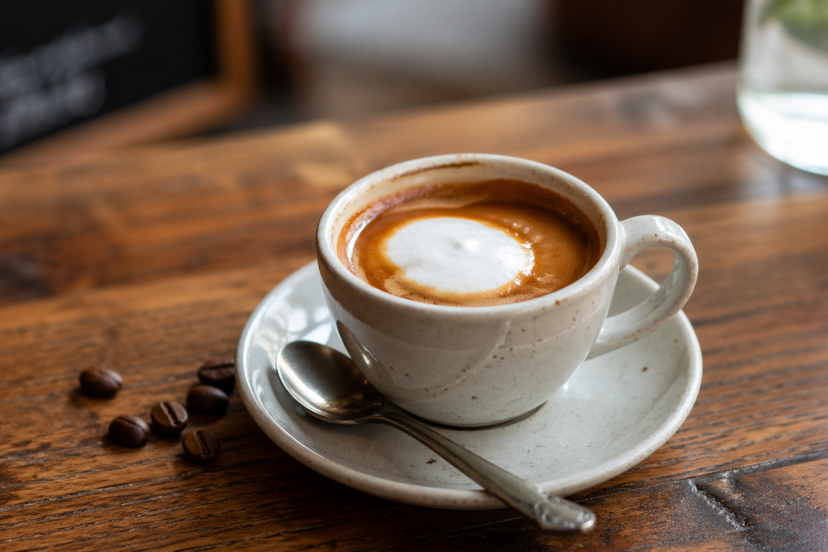
A traditional macchiato is a small espresso drink with just a touch of milk. In Italian, “macchiato” refers to something that has been lightly marked or spotted. In coffee terms, it means espresso marked with milk.
That small milk addition softens the espresso without hiding it.
A classic macchiato usually has:
- One or two shots of espresso
- A small spoonful of foam or steamed milk
- A bold, concentrated flavor
- A small serving size
This drink suits people who enjoy espresso but want a tiny bit of creaminess. It does not taste as milky as a latte, and it does not feel as sweet unless you add syrup.
Also, keep in mind that coffee chains sometimes use the word “macchiato” differently. A caramel macchiato, for example, often tastes closer to a sweet latte-style drink than a traditional espresso macchiato.
What Is a Latte?
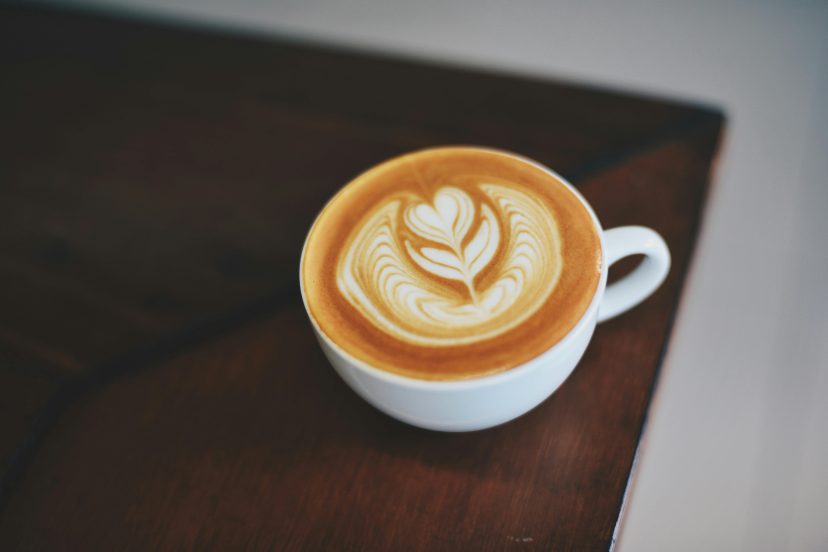
A latte is an espresso drink made with steamed milk and a light layer of foam. It tastes smooth, creamy, and balanced. If espresso feels too intense on its own, a latte makes it softer and easier to sip.
A latte usually includes:
- One or two shots of espresso
- A larger amount of steamed milk
- A thin layer of milk foam
- A creamy, mild taste
Because a latte contains more milk, it feels richer in the mouth. It also works well with flavors like vanilla, caramel, cinnamon, hazelnut, and mocha.
That’s why lattes remain one of the most popular espresso drinks. They feel approachable. They still taste like coffee, but they don’t hit as hard as straight espresso.
Which One Is Creamier?
The latte is creamier than a macchiato.
No contest.
A latte uses much more steamed milk, so it has a smoother body and softer texture. The milk stretches the espresso and creates that velvety café-style sip people love.
A macchiato only uses a small amount of milk. So, while it may have a creamy touch, it still feels sharp and espresso-heavy.
Here’s the easiest way to picture it:
A latte is milk with espresso blended in.
A macchiato is made by adding a small amount of milk or foam to espresso.
That difference matters a lot. If you want a gentle, creamy drink for slow sipping, choose a latte. If you want bold espresso with a small creamy edge, choose a macchiato.
Taste Comparison: Bold vs Smooth
The taste of a macchiato vs latte depends on how much milk meets the espresso.
A macchiato tastes bold, roasted, slightly bitter, and intense. You notice the espresso first. If the coffee beans have chocolate, nutty, citrus, or caramel notes, a macchiato lets those flavors stand out.
A latte tastes smoother and sweeter, even without sugar. Milk naturally softens bitterness. It also adds a mild sweetness because steamed milk brings out lactose sweetness.
So, the taste comparison looks like this:
Macchiato: bold, sharp, rich, compact, espresso-forward.
Latte: creamy, mild, smooth, balanced, milk-forward.
Neither one is better for everyone. It depends on your mood.
Some mornings call for a macchiato because you want that quick “wake up” coffee punch. Other days, a latte feels better because you want something comforting and slow.

Milk Ratio: Why It Changes Everything
Milk ratio decides the whole personality of the drink.
A macchiato uses very little milk. That keeps the espresso strong. A latte uses much more milk, so the espresso becomes smoother and less intense.
The National Coffee Association notes that making espresso well depends on choosing the right beans, grinding close to brewing time, and using good water quality. Those basics matter because both macchiatos and lattes start with espresso.
If your espresso tastes harsh, a latte can hide some of that bitterness. A macchiato cannot hide much. It puts the espresso right in front of you.
That’s why macchiatos often suit people who already like espresso. Lattes are friendlier for beginners.
Caffeine: Is a Macchiato Stronger Than a Latte?
A macchiato often tastes stronger than a latte, but it does not always have more caffeine.
Caffeine depends mostly on the number of espresso shots, not the amount of milk. If both drinks use one shot of espresso, they have similar caffeine levels. If one uses two shots, that one has more caffeine.
However, a macchiato feels stronger because it has less milk. The espresso tastes concentrated. A latte spreads the same espresso through more milk, so it feels gentler.
So, here’s the simple answer:
A macchiato usually tastes stronger.
A latte usually tastes creamier.
Caffeine depends on espresso shots.
For healthy adults, caffeine intake around moderate levels is generally considered safe, though sensitivity varies. A comprehensive caffeine review notes that some groups may need more caution, including pregnant people and people sensitive to caffeine.
Texture and Foam: What You’ll Notice First
Texture plays a huge role in the macchiato vs latte debate.
A latte feels silky because steamed milk creates a smooth body. Good microfoam adds a soft, creamy top without making the drink too airy.
A macchiato feels thinner because it contains much less milk. The foam sits on top or lightly blends with the espresso. You get a small creamy moment, then the espresso takes over.
If you love a plush mouthfeel, the latte wins.
If you enjoy a sharper sip with a little foam, the macchiato wins.
Best Beans and Milk for Each Drink
For a macchiato, choose beans with rich flavor. Medium-dark or dark roasts often work well because the coffee remains strong even with a small amount of milk.
Good flavor notes for macchiato include:
- Dark chocolate
- Toasted nuts
- Brown sugar
- Caramel
- Cocoa
For a latte, you can use medium roast, medium-dark roast, or espresso blends. Since milk softens coffee, you want beans that still hold their flavor.
Good latte flavor notes include:
- Milk chocolate
- Vanilla
- Almond
- Honey
- Caramel
- Sweet spice
Whole milk gives the creamiest texture. Oat milk also works beautifully because it foams well and adds natural sweetness. Almond milk tastes lighter, while soy milk gives a thicker body when steamed properly.
Want a richer coffee routine with more staying power? You can also explore protein-style coffee ideas like this guide to protein coffee for a more filling twist on your usual cup.
Recommended Products for Better Home Coffee
Here are five helpful products if you want to make better macchiatos and lattes at home.
1. Espresso Machine – A home espresso machine helps you make both drinks properly. Look for one with steady pressure, a steam wand, and a portafilter.
2. Milk Frothing Pitcher – A stainless-steel frothing pitcher makes milk steaming easier. It also helps you control texture for lattes.
3. Coffee Scale – A small digital coffee scale helps you measure beans and espresso output. That means fewer bitter shots and more consistent drinks.
4. Espresso Tamper – A good tamper helps create an even coffee puck. That improves extraction and gives your espresso a better flavor.
5. Whole Bean Espresso Roast – Fresh beans make a huge difference. Choose a roast with chocolate, caramel, or nutty notes for a smooth latte or bold macchiato.
How Milk Changes the Coffee’s Natural Compounds
A latte feels creamier because it uses more milk, but that extra milk can also change the drink’s natural bioactive profile. In a Food Chemistry study on different coffee brews, researchers found that the preparation method affected coffee’s phenol content, caffeine level, chlorogenic acid derivatives, and antioxidant capacity. The study also found that adding milk significantly reduced total phenols and antioxidant capacity in coffee.
That does not mean a latte is “bad” or that you should avoid milk. It simply means the macchiato vs latte choice is not only about taste and texture. A macchiato keeps more of the espresso’s bold character because it uses less milk, while a latte creates a softer, creamier drink by blending espresso with a larger amount of steamed milk.
So, if you want the richest milk texture, choose a latte. If you want a stronger coffee profile with less dilution, a macchiato may suit you better.
Conclusion
When it comes to macchiato vs latte, the choice depends on what you want from your cup. A latte gives you a smoother, creamier drink because it uses more steamed milk. A macchiato keeps the espresso bold, rich, and more concentrated with only a small touch of milk. So, if you want comfort and creaminess, choose a latte. If you want stronger coffee flavor with a lighter milk finish, go for a macchiato. Both drinks have their place, and once you understand the difference, ordering the right one becomes much easier.
FAQs
1. Is a macchiato stronger than a latte?
A macchiato usually tastes stronger because it has less milk. However, caffeine depends on how many espresso shots the drink contains.
2. Which is creamier, macchiato or latte?
A latte is creamier. It uses more steamed milk, which gives it a smoother texture and softer taste.
3. Why does a latte taste milkier than a macchiato?
A latte tastes milkier because it uses a larger amount of steamed milk. A macchiato keeps the espresso more concentrated with only a small touch of milk or foam.
4. Is a macchiato sweeter than a latte?
A traditional macchiato is not usually sweeter. A latte can taste naturally sweeter because steamed milk softens espresso bitterness.
5. Which drink is better for beginners?
A latte is better for most beginners. It tastes smoother, creamier, and less intense than a macchiato.