9 Essentials For Your Built In Coffee Station
We may earn a commission for purchases made using our links. Please see our disclosure to learn more.
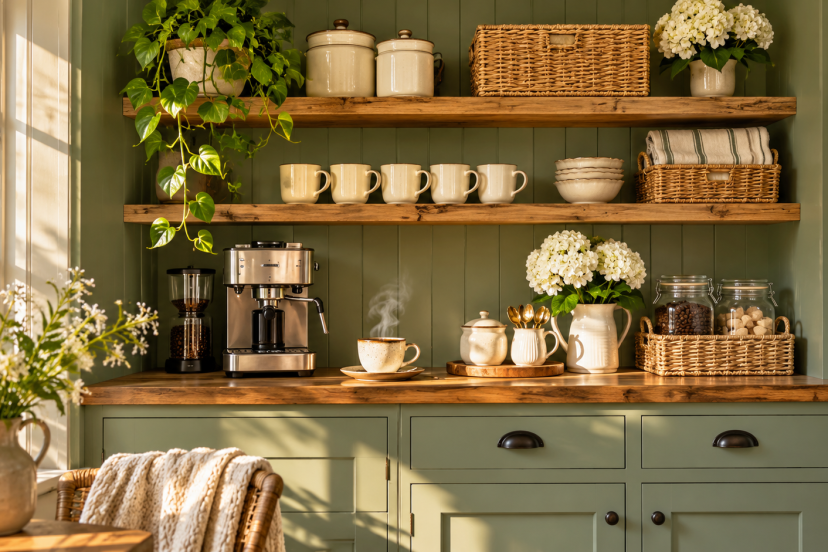
Good coffee starts with more than quality beans and the right brewing method. Having a dedicated space to grind, measure, brew, and experiment with different coffee recipes can make the entire experience more enjoyable. A built-in coffee station brings these activities together, whether you’re pulling a morning espresso or perfecting your pour-over technique on a slow Sunday. From choosing the right brewing equipment to keeping your beans fresh and accessories organized, these nine essentials will help you create a home coffee bar that complements your brewing habits and makes every cup worth looking forward to.
1. A Coffee Maker That Suits Your Brewing Habits
Your coffee maker will likely occupy the most space, so choose it before finalizing your cabinet layout.
An expensive espresso machine might look impressive, but it makes little sense if you prefer a straightforward pot of drip coffee every morning.
Consider these common brewing options:
- Drip coffee maker: Convenient for households that brew several cups.
- Espresso machine: Ideal for lattes, cappuccinos, and Americanos.
- Single-serve coffee maker: Suitable for quick, individual servings.
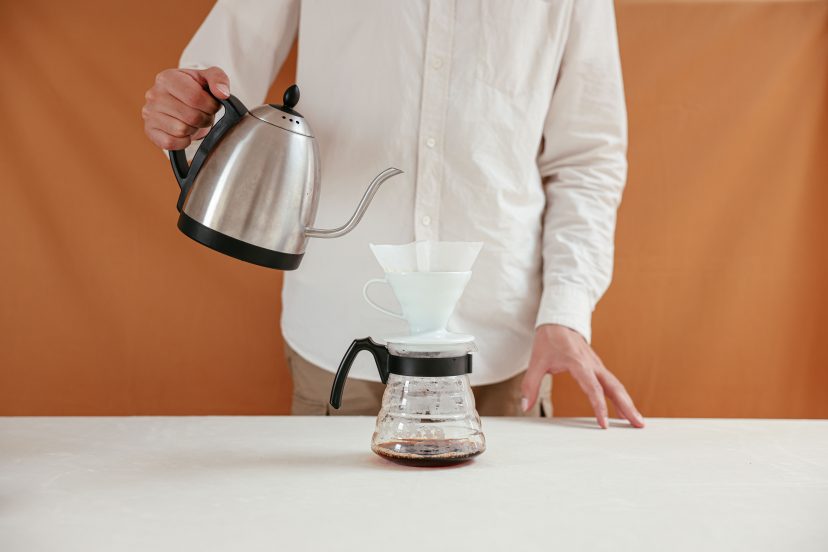
- Pour-over brewer: Great for people who enjoy hands-on brewing.
- French press: A simple option that requires minimal equipment.
Measure the machine with its lids and removable components open. Leave sufficient clearance for operation, ventilation, and maintenance according to the manufacturer’s instructions.
2. A Reliable Coffee Grinder
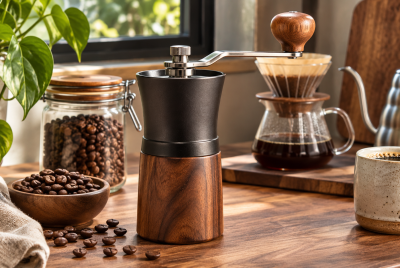
If you’ve been buying pre-ground coffee for years, switching to freshly ground beans is a worthwhile upgrade. Grinding your beans just before preparation helps retain the delicate aromas that contribute to a flavorful cup.
Compared to blade grinders, burr grinders provide greater precision when adjusting grind consistency. This becomes particularly useful when switching between brewing methods that require different grind settings.
Electric grinders work well for busy mornings, while manual grinders are quieter and occupy less counter space. Keep yours beside the coffee maker to minimize mess when transferring grounds.
For espresso, choose a grinder specifically capable of producing sufficiently fine, adjustable grounds.
3. Airtight Coffee Bean Storage
Rows of glass jars might look attractive on an open shelf, but they aren’t necessarily the best environment for coffee beans.
Exposure to oxygen, moisture, heat, and light can gradually diminish coffee’s flavor and aroma. An opaque, airtight container stored inside a cool cabinet offers better protection.
When organizing your coffee supplies:
- Label containers with roast dates.
- Purchase quantities you can reasonably consume while fresh.
- Keep different coffee varieties in separate containers.
- Store beans away from kettles and other heat-producing appliances.
Avoid continuously topping up a partially filled container with fresh beans. Finish the older batch and clean the container first.
4. A Convenient Water Source
Refilling a coffee machine several times a day becomes inconvenient when the nearest sink is across the kitchen.
Position your built in coffee station near an existing water source whenever possible. During a larger kitchen renovation, you might consider installing a small dedicated sink.
For simpler setups, a refillable filtered water pitcher works well.
Water quality matters, too. Excessive mineral buildup can affect equipment performance, while unpleasant flavors in drinking water can carry into your coffee.
Choose potable water that meets your coffee machine manufacturer’s recommendations for mineral content and filtration.
5. Organized Storage for Coffee Accessories
Coffee accessories accumulate surprisingly quickly. Filters, measuring spoons, syrups, milk pitchers, and spare cleaning brushes can crowd even a generous countertop.
Give smaller items dedicated storage instead of leaving everything on display.
Consider incorporating:
- Drawer dividers for measuring tools and accessories.
- Pull-out shelves for frequently used supplies.
- Small baskets for coffee filters and pods.
- A rotating tray for syrups and flavorings.
- Adjustable shelves for larger equipment.
Arrange items according to how often you reach for them. Daily essentials belong within easy reach, while spare supplies can occupy lower cabinets or higher shelves.
6. A Digital Coffee Scale
A tablespoon of coffee doesn’t always contain the same amount. Bean density, roast level, and grind size can influence how much coffee fits inside a scoop.
A digital scale removes much of that guesswork.
For manual brewing, weighing both coffee and water helps you reproduce a recipe you enjoy. Espresso enthusiasts can also use a compact scale to measure their coffee dose and the amount of liquid extracted.
Look for a scale with 0.1-gram resolution, a tare function, and an easy-to-read display. A built-in timer is particularly useful for pour-over brewing.
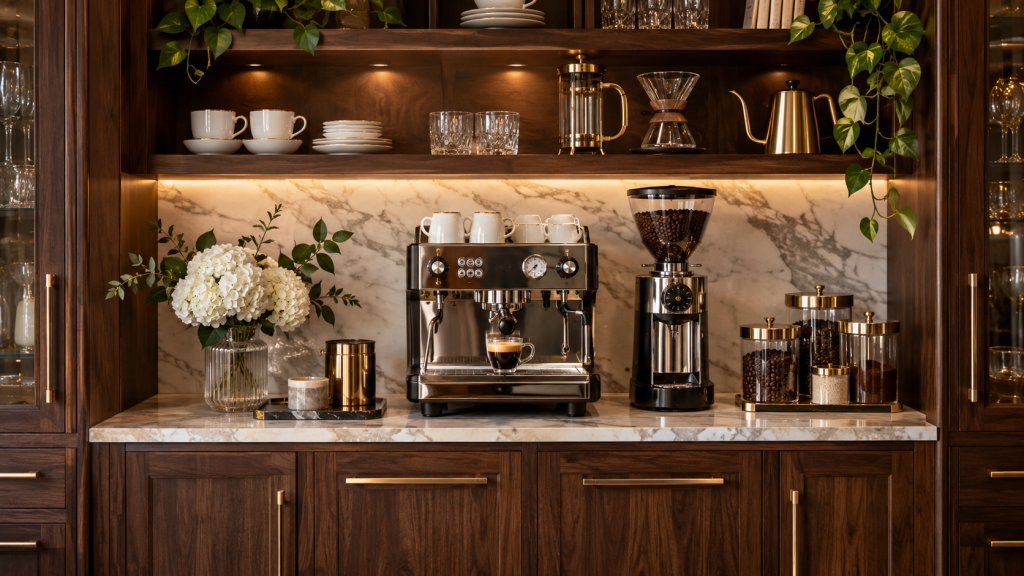
7. Dedicated Space for Mugs and Drinkware
Keeping your favorite mug beside the coffee machine sounds obvious until you realize your drinkware lives on the opposite side of the kitchen.
Open shelves, sturdy mug hooks, and shallow cabinets can make cups easier to access while adding personality to your home coffee bar.
Store everyday mugs on the lowest accessible shelf. Place occasional serving cups, travel tumblers, and specialty glasses elsewhere.
If you frequently make iced coffee, leave room for taller glasses and reusable straws. Your drinkware storage should reflect what you actually drink rather than what looks attractive in a photograph.
8. Proper Lighting and Electrical Outlets
Lighting is easy to overlook when designing a coffee nook. Yet a poorly lit countertop makes measuring grounds, reading machine settings, and spotting spills unnecessarily difficult.
Under-cabinet LED lighting illuminates the brewing surface without occupying counter space. Warm-white lighting can also create a cozy atmosphere for early mornings.
Electrical planning deserves equal attention. The National Fire Protection Association’s home electrical safety guidelines recommend plugging only one heat-producing appliance into a receptacle outlet at a time.
Have a qualified electrician assess outlet placement, circuit capacity, and applicable electrical requirements, particularly when installing cabinetry near water.
9. Easy-to-Clean Surfaces and Cleaning Supplies
Coffee grounds find their way into corners, milk splashes onto cabinet doors, and water collects underneath brewing equipment. Choose materials that make these everyday messes easy to manage.
Quartz, suitable sealed stone, and quality laminate are practical countertop options. A wipeable backsplash can help protect the wall behind your coffee maker.
Keep a few cleaning essentials nearby:
- Microfiber cloths
- Grinder cleaning brushes
- Manufacturer-approved cleaning products
- Espresso knock box, if needed
- Washable drip mat
Empty used grounds regularly, clean milk-contact components after use, and follow your machine’s maintenance schedule.
A coffee station that takes only a few minutes to tidy is much easier to maintain.
Conclusion
The most inviting coffee stations are designed around the way you actually make and enjoy coffee. A thoughtfully arranged countertop, accessible supplies, and reliable brewing equipment can make even a small kitchen nook feel complete. If you’re working with limited space, compact accessories such as manual coffee grinders can help you get more from your setup without overcrowding it. Focus on what makes your daily routine easier rather than filling every available shelf. After all, a great coffee station should be somewhere you look forward to spending a few quiet minutes each morning.
FAQs
How much room should you allow for a built-in coffee station?
A countertop around 24 to 36 inches wide can accommodate a modest setup. Larger espresso stations may require additional room for grinders, accessories, and equipment clearance.
Where should you set up a built-in coffee station in your kitchen?
An unused kitchen alcove, pantry nook, or dedicated section of cabinetry works well. Prioritize access to electricity, water, and sufficient workspace.
Is a dedicated water connection necessary for a built-in coffee station?
No. Most countertop coffee makers have refillable water reservoirs. Dedicated plumbing is optional unless your chosen equipment requires a direct water connection.
Can I hide my coffee station behind cabinet doors?
Yes. Pocket doors and appliance garages can conceal brewing equipment. Follow appliance clearance and ventilation requirements, and keep doors open during operation when required.
How can I keep a compact coffee station neat and organized?
Reserve counter space for the equipment you use daily. Use drawer organizers, vertical storage, concealed containers, and dedicated shelves to maximize the available space.