The Best Coffee Filters for a Perfect Brew
We may earn a commission for purchases made using our links. Please see our disclosure to learn more.
A coffee filter does more than keep grounds out of your cup—it directly affects how your coffee tastes. The type of filter you use controls how much oil, sediment, and flavor make it into the final brew. Paper filters create a cleaner, lighter cup, while metal and cloth filters allow more body and richness. Choosing the right coffee filter can noticeably improve flavor without changing your beans or brewing method, making it one of the simplest upgrades for better coffee at home.
Why Your Coffee Filter Affects Flavor
Coffee filters do more than separate grounds from liquid. They actively influence flavor chemistry.
Paper filters trap oils that contribute bitterness and heaviness. Metal filters let more natural coffee oils flow into the cup, which gives the brew a heavier, richer mouthfeel. Cloth filters land somewhere in between, balancing clarity and richness.
Because of this, two people can brew the same coffee with different filters and end up with entirely different results. That’s why cafés obsess over filter choice—and why home brewers should too.
Types of Coffee Filters Explained
Paper Coffee Filters
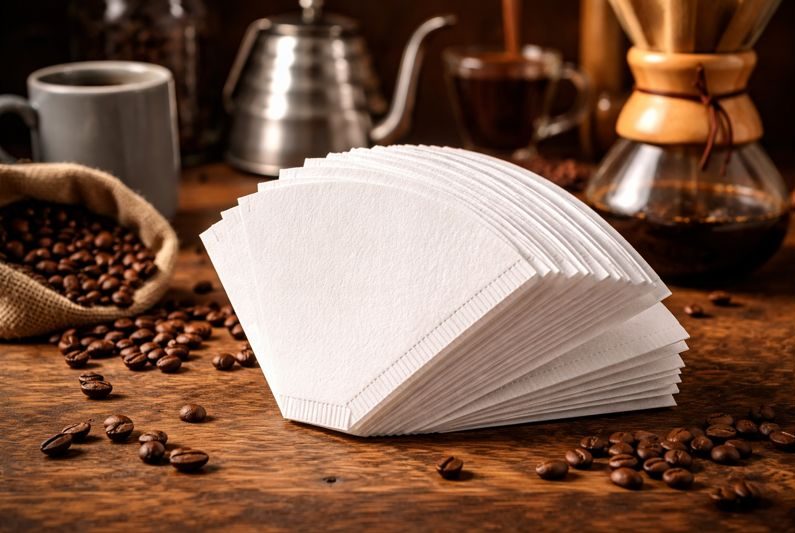
Paper filters remain the most popular choice for home brewing. They produce clean, crisp coffee with low sediment.
Bleached paper filters offer neutral flavor, while unbleached versions can add a faint paper note if not rinsed first. Quality brands minimize this issue.
Best for: Drip machines, pour-over brewing, clarity-focused cups
Metal Coffee Filters
Metal filters use fine stainless-steel mesh to let coffee oils through. The result feels richer and heavier on the palate.
Because oils remain intact, many coffee lovers describe metal-filtered brews as bolder and more aromatic. Cleanup takes slightly more effort, but the tradeoff appeals to flavor-first drinkers.
Best for: Pour-over, eco-conscious brewers, bold flavor fans
Cloth Coffee Filters
Cloth filters offer a unique middle ground. They allow some oils through while still filtering out sediment.
They require careful cleaning and drying to prevent odors, but many enthusiasts swear by the smooth, balanced flavor they produce.
Best for: Manual brewers, traditionalists, experimental coffee fans
Reusable vs Disposable Filters
Reusable filters reduce waste and save money over time. Disposable filters offer convenience and consistency.
Your choice depends on routine. If you brew daily, reusable options shine. If convenience matters more, disposable filters remain reliable.
Best Coffee Filters for Home Brewing (Top Picks)
Below are five highly rated coffee filters commonly recommended by baristas, reviewers, and serious home brewers.
1. Hario V60 Paper Coffee Filters
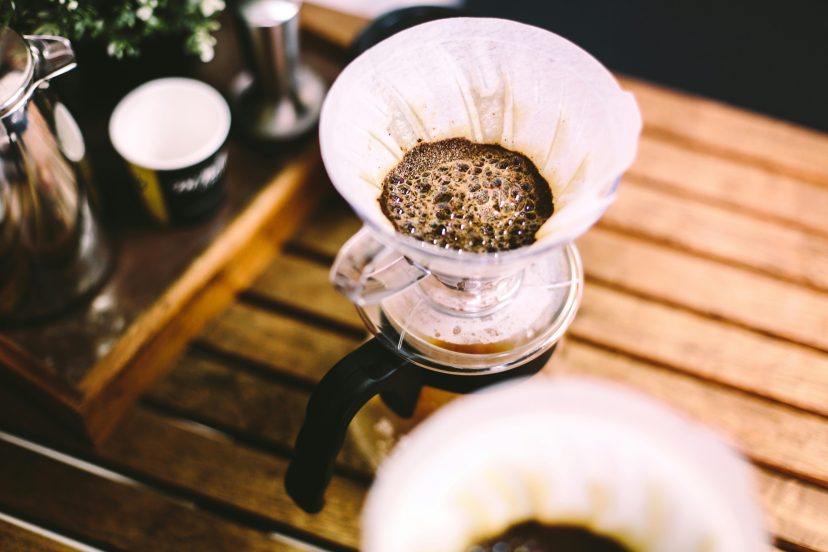
Designed specifically for V60 drippers, these filters promote even extraction and excellent clarity. The thin paper allows water to flow smoothly, enhancing aroma and brightness.
2. Chemex Bonded Paper Filters
Thicker than most paper filters, Chemex filters remove more oils and fines. This creates an ultra-clean cup with noticeable sweetness and minimal bitterness.
3. Able Kone Reusable Metal Coffee Filter
This stainless-steel filter fits Chemex brewers and delivers full-bodied coffee with rich mouthfeel. It’s durable, reusable, and popular among bold-brew fans.
4. Melitta Natural Brown Basket Filters
A classic choice for drip machines, these filters balance clarity and affordability. They work well for everyday brewing without fuss.
5. CoffeeSock Organic Cloth Coffee Filter
Made from organic cotton, CoffeeSock filters provide smooth flavor and reduced acidity. With proper care, they last months and deliver consistently balanced cups.
Product Comparison Table
| Product | Filter Type | Best For | Flavor Profile | Reusable |
| Hario V60 Paper filters Size 02 | Paper | Pour-over (V60) | Clean, bright (clear cup) | ❌ |
| Chemex Chemex paper filters FP2 | Paper (thicker) | Chemex pour-over | Very clean, balanced | ❌ |
| Able Kone Reusable Metal Filter | Metal (stainless steel) | Pour-over (various cone brewers) | Richer, fuller-bodied | ✔️ |
| Melitta Natural Brown Basket Filters | Paper (flat basket) | Drip machines | Smooth, balanced | ❌ |
| CoffeeSock Organic Cloth Filter | Cloth (cotton) | Pour-over (V60) | Balanced, slightly fuller body | ✔️ |
What Research and Reviews Say About Coffee Filters
If you’ve ever switched coffee filters and thought, “Wait… why does this taste different?”—you weren’t imagining it. Research backs that up.
One widely cited study found that paper coffee filters catch most of the natural oils in coffee, including one called cafestol. Those oils add heaviness to the cup, so when they’re filtered out, coffee tastes cleaner and lighter. It also explains why paper-filtered coffee is often considered gentler for everyday drinking.
Another large review that compared different filter brewing methods showed something coffee lovers already know from experience: the filter itself changes the flavor and aroma. Paper filters brought out brighter, smoother notes, while metal filters let more oils through, creating a richer, bolder taste.
The bottom line is, your filter isn’t just holding the grounds—it’s shaping how your coffee smells, tastes, and feels with every sip.
How to Choose the Right Coffee Filter for Your Brew Style
If you brew with a drip machine, basket paper filters remain the easiest option. They deliver consistent results and minimal cleanup.
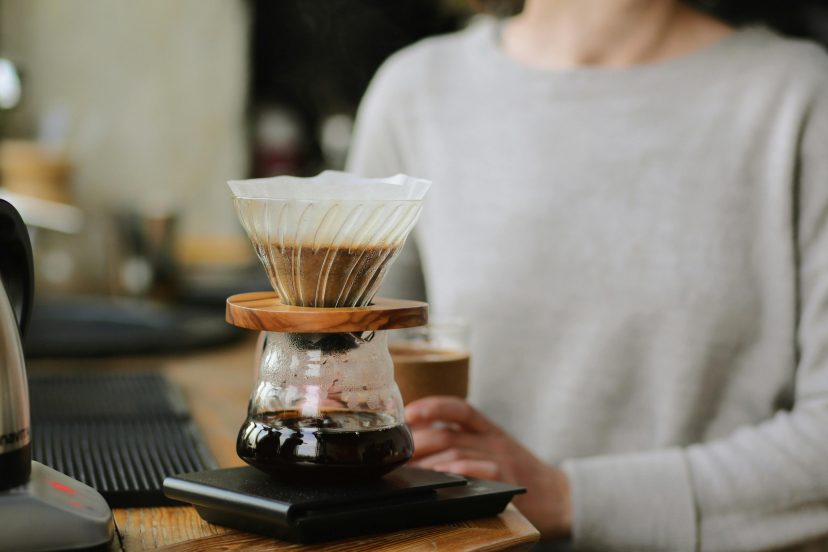
Pour-over brewers benefit from experimenting. Paper filters highlight acidity and floral notes, while metal filters emphasize chocolatey or nutty flavors.
Cold brew setups often use reusable metal or cloth filters, which handle long steep times well and reduce waste.
Many coffee enthusiasts also customize flavor by pairing filters with additives like flavored creamers. If you enjoy enhancing your cup, explore different options from this guide on coffee creamer for creative combinations.
Common Coffee Filter Mistakes to Avoid
Many brewers overlook small details that affect results.
Skipping the rinse step on paper filters can introduce unwanted flavors. Overfilling metal filters can slow flow and cause over-extraction. Improper cleaning of cloth filters often leads to stale taste.
By adjusting these habits, coffee quality improves quickly without changing beans or equipment.
Conclusion
The best coffee filter isn’t about hype—it’s about matching your taste preferences and brewing habits. Paper filters deliver clean, crisp coffee. Metal filters create bold, oil-rich cups. Cloth filters balance both worlds. Once you understand how each coffee filter behaves, improving your brew becomes simple. Choose intentionally, experiment freely, and let the filter work for you—not against you. If you care about flavor, the right coffee filter is one of the easiest upgrades you can make.
FAQs
1. Does a coffee filter really change the taste?
Yes. Filters control oil retention, sediment, and extraction, all of which impact flavor.
2. Are reusable coffee filters better than paper ones?
They’re better for the environment and body-rich coffee, but paper filters offer cleaner taste.
3. Is it a good idea to rinse paper coffee filters before you start brewing?
Yes. Rinsing removes paper residue and preheats your brewer.
4. What type of coffee filter works best for pour-over methods?
Paper filters work well for clarity, while metal filters enhance body.
5. How often should reusable coffee filters be cleaned?
After every use. Deep cleaning weekly prevents buildup and odors.