How Brewing Your Coffee At Home Can Transform Your Day
We may earn a commission for purchases made using our links. Please see our disclosure to learn more.
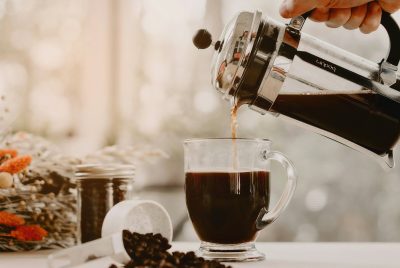
Brewing coffee at home does more than save money or shorten your morning routine. It gives you control over flavor, strength, and quality—three things that shape how coffee tastes and how it makes you feel. When you choose your beans, adjust the grind, and brew at your own pace, coffee becomes more consistent, more enjoyable, and better suited to your preferences. For coffee enthusiasts, home brewing isn’t about perfection. It’s about making a better cup, one that fits your day from the very first sip.
What Makes Coffee Brewed at Home Taste Better?
Coffee brewed at home feels different because it is different. You’re not rushing nor settling. You’re choosing.
At home, you decide:
- The beans
- The grind
- The brew method
- The strength
- The pace
That autonomy matters more than most people realize. Instead of grabbing whatever’s available, you create something intentional. That sense of ownership alone makes the experience more satisfying.
And yes, the coffee usually tastes better too.
The Morning Ritual Effect: How Home Brewing Sets the Tone
Morning rituals anchor the day. Studies in behavioral psychology consistently show that predictable, enjoyable routines reduce stress and improve focus.
Brewing coffee at home becomes a grounding moment:
- You hear the kettle heat
- You smell fresh grounds
- You wait—just long enough
That pause creates a mental reset. Instead of jumping straight into notifications or deadlines, you start with something sensory and calm.
Over time, that ritual trains your brain to associate mornings with clarity instead of chaos.
Flavor Control: Why Your Coffee Tastes Better at Home
Coffee shops aim for consistency at scale. Home brewing aims for satisfaction.
When you brew coffee at home, you control variables that dramatically affect taste:
- Water temperature
- Brew time
- Grind size
- Bean freshness
That control matters more than most people realize. A peer-reviewed study published in Scientific Reports examined how brewing variables influence coffee’s chemical composition and sensory qualities. The researchers found that extraction yield and total dissolved solids (TDS) play a major role in how balanced, flavorful, or flat a cup of coffee tastes. In short, small changes in brewing conditions can significantly alter aroma, body, and overall flavor perception.
Freshly ground beans are another game changer. Volatile aroma compounds begin degrading within minutes after grinding, which explains why coffee brewed from pre-ground beans often tastes dull or lifeless. Grinding just before brewing helps preserve those aromatic compounds that give coffee its depth and complexity.
Using a quality filter also plays a role. Different filter materials affect how much oil and fine sediment end up in your cup, which changes mouthfeel and clarity. If you want a deeper look at how filtration impacts flavor, this breakdown on coffee filters explains it well.
Small tweaks make big differences. And once you taste the upgrade, it’s hard to go back.
Why Coffee Is Linked to Better Long-Term Health
Coffee isn’t just a comforting habit. It’s one of the most studied beverages in the world.
A large umbrella review published in The BMJ analyzed results from over 200 meta-analyses examining coffee consumption and health outcomes. The authors looked at everything from heart health and metabolic conditions to mental well-being and overall mortality.
What stood out was consistency. Moderate coffee intake was more often associated with health benefits than risks, including lower rates of cardiovascular disease, type 2 diabetes, and certain neurological conditions. Importantly, the review didn’t frame coffee as a miracle drink. Instead, it showed that for most adults, coffee fits comfortably into a healthy lifestyle without causing harm—and may even offer protective effects when consumed regularly.
For people brewing coffee at home, this reinforces a simple idea: enjoying your daily cup isn’t just about taste or routine. It can also be part of a balanced, long-term approach to wellbeing.
Cost, Consistency, and Confidence in Your Cup
Daily café coffee adds up fast. Brewing at home cuts costs without cutting quality.
On average:
- Café coffee: $4–$6 per cup
- Home-brewed coffee: $0.50–$1 per cup
Beyond savings, consistency matters. When you brew at home, you learn what you like. You stop guessing. That confidence turns coffee from a habit into a craft.
And honestly? There’s something satisfying about mastering your own cup.
Tools That Elevate Your Home Brewing Experience
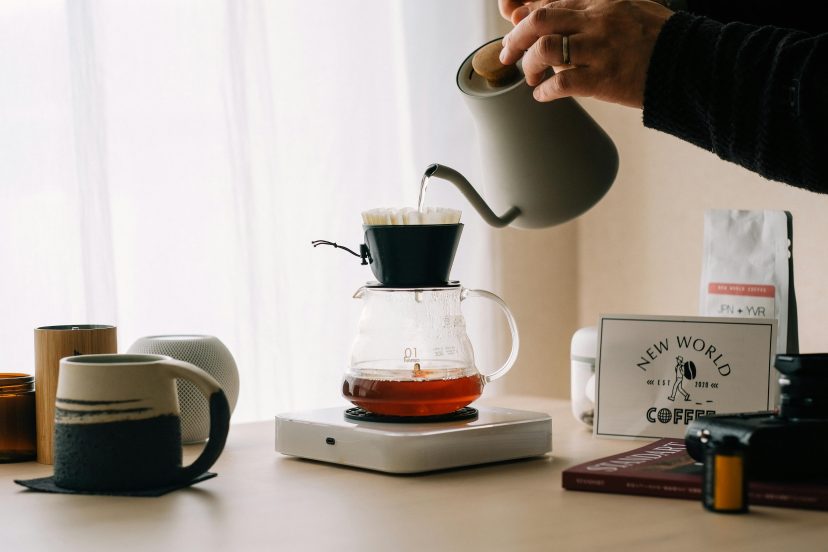
You don’t need a professional setup to brew great coffee at home. You just need the right tools.
Here are five Amazon favorites that consistently earn praise from coffee enthusiasts:
1. Bodum Pour Over Coffee Maker – A classic choice for clean, flavorful coffee. Simple design. Excellent extraction.
2. Baratza Encore Burr Grinder – Grind consistency matters. This grinder delivers uniform results without fuss.
3. Hario V60 Dripper – Perfect for those who enjoy experimenting with brew time and technique.
4. Fellow Stagg Electric Kettle – Precise temperature control equals better flavor extraction.
5. OXO Brew 9-Cup Coffee Maker – For those who want automation without sacrificing taste.
Each of these tools supports better brewing without overcomplicating your routine.
Common Mistakes That Hold Home Brewers Back
Even good beans can disappoint if basics go wrong. The most common issues include:
- Using stale coffee
- Grinding too early
- Incorrect water temperature
- Skipping measurements
The fix isn’t perfection. It’s awareness. Once you correct one or two habits, your coffee improves immediately.
How to Build a Coffee Routine You’ll Actually Stick To
The best routine is the one you enjoy.
Start simple:
- Choose one brew method
- Buy fresh beans you like
- Brew at the same time daily
As confidence grows, experiment slowly. Change one variable at a time. That way, you learn without overwhelming yourself.
Remember, coffee at home isn’t about impressing anyone. It’s about enjoying your mornings more.
Conclusion
Brewing coffee at home is a simple habit with a noticeable payoff. It improves flavor, supports focus, and turns an everyday routine into something more intentional. With control over ingredients, brewing methods, and timing, coffee becomes more consistent and more enjoyable. For coffee enthusiasts, home brewing isn’t about replacing cafés—it’s about creating a better cup on your own terms, one that fits seamlessly into your day.
FAQs
1. Is coffee at home really better than café coffee?
Often, yes. Fresh beans, proper brewing, and personal control usually produce better flavor.
2. What’s the best brew method for beginners?
Pour-over or drip machines offer simplicity with excellent results.
3. Does grind size really matter?
Absolutely. Grind size affects extraction, bitterness, and overall balance.
4. Is there a limit to how much coffee you should have daily?
Most studies suggest 2–4 cups daily is safe for healthy adults.
5. Can brewing at home improve focus and mood?
Yes. Familiar environments plus caffeine often enhance focus with fewer stress responses.