Iced vs. Hot Coffee: Which Brews Bring Out the Best Flavor?

We may earn a commission for purchases made using our links. Please see our disclosure to learn more.
Coffee can taste totally off whether you grab a hot or cold cup. Hot coffee is said to have a stronger smell, brighter acidity, and a more intense flavor, while iced coffee has a smoother, lighter flavor and is more refreshing. In this iced vs hot coffee guide, we’ll explain how temperature influences flavour, caffeine, acidity, brewing methods and more so you can pick the cup that best suits your taste.
What Makes Iced and Hot Coffee Taste Different?
The biggest difference is extraction: how water extracts flavor from coffee grounds. Hot water takes effect quickly. It extracts oils, acids, sugars and aroma compounds in a matter of minutes, which is one of the reasons hot coffee so often tastes more complex and expressive.
Cold and iced coffee evolve in a different way. When you brew coffee hot and then pour it over ice, the flavor softens as it cools and becomes watered down. Cold brew goes a step further. Because it soaks in cold water for hours, it’s generally smoother, rounder and less bitter.
So when you compare iced vs. hot coffee, think of it this way: hot coffee brings out complexity, while iced coffee leans into smoothness and refreshment.
Hot Coffee Brings Out Aroma First
Hot coffee has one clear advantage: aroma. When coffee is hot, fragrant compounds rise from the cup more easily. That is why a fresh mug can smell like chocolate, toasted nuts, citrus, caramel, flowers, or warm spice before you even take a sip.
That matters because smell and taste work together. When coffee has a strong aroma, the flavor often feels richer and more complete. This is one reason hot coffee can feel especially satisfying, especially when you drink it black.
Hot brewing also tends to highlight brightness and acidity. In a good cup, acidity does not mean sourness. It adds liveliness. A light roast, for example, may taste fruity or tea-like when served hot.
Of course, hot coffee can go too far. If the water is too hot, the grind is too fine, or the brew runs too long, the cup can turn bitter, dry, or overly sharp.
Iced Coffee Feels Smoother and More Refreshing
Iced coffee has a different kind of appeal. It feels cooler, lighter, and easier to sip, especially on a warm day. Because the drink is chilled, the aroma softens and the flavor usually feels cleaner and less intense. Even with the same beans, iced coffee often comes across as smoother than hot coffee.
The colder temperature also changes how flavor shows up on your tongue. Bitterness tends to feel lower, acidity can seem softer, and sweet notes like caramel, vanilla, chocolate, or brown sugar often stand out more.
That is one reason iced coffee works so well in flavored drinks. Milk, cream, syrups, and ice blend naturally with chilled coffee.
The downside is that iced coffee can taste flat if it is brewed too weak. Since the ice melts as you drink, the coffee needs a stronger base from the start.
What Science Says About Hot and Cold Brewing
Coffee flavor is chemistry, but do not worry—we are not putting on lab goggles here.
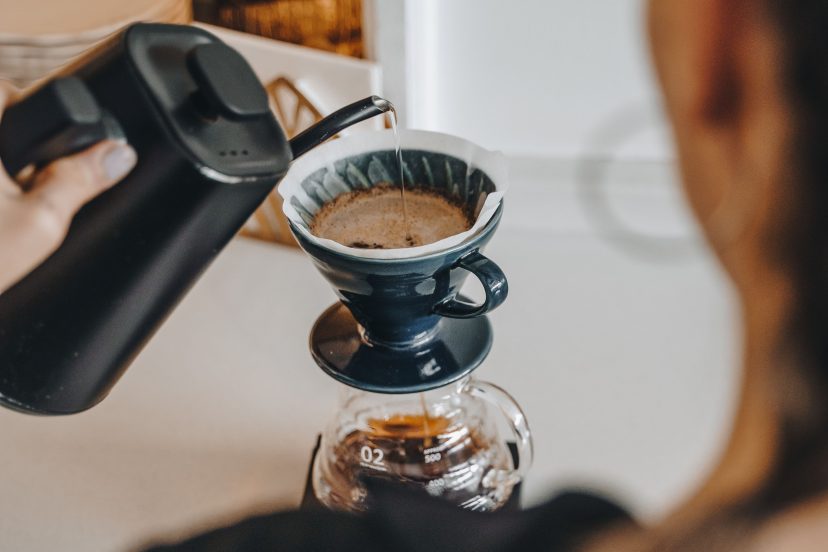
According to research on coffee chemistry, hot-brewed coffee produced from the same beans showed greater acidity and antioxidant activity than its cold-brewed counterpart. That helps explain why hot coffee often tastes brighter and more complex.
Another brew temperature and sensory quality study explored how temperature affects flavor when brew strength and extraction stay controlled. The takeaway is useful for home brewers: temperature matters, but grind size, brew ratio, strength, and extraction play a huge role too.
So, the better question is not only “hot or iced?” It is “how well was it brewed?”
Flavor Comparison: Iced vs. Hot Coffee
Aroma
Hot coffee wins on aroma. Heat releases fragrant compounds quickly, so the smell feels stronger and more layered.
Iced coffee smells milder. That is not bad, but it means the flavor may feel less complex before the first sip.
Sweetness
Iced coffee often feels sweeter, especially with medium and dark roasts. Cooling can soften bitterness, which lets chocolate, caramel, and nutty notes shine.
Hot coffee can taste sweet too, especially when brewed well. However, sharp acidity or bitterness may cover that sweetness if the extraction is off.
Acidity
Hot coffee usually tastes brighter and more acidic. This works beautifully with light roasts and fruity beans.
Iced coffee feels gentler. Cold brew, in particular, usually tastes smoother and less tangy.
Bitterness
Hot coffee can become bitter if over-brewed. Dark roasts, boiling water, and long brew times can push it too far.
Iced coffee may hide bitterness better, especially with milk or ice. Still, weak iced coffee can taste dull rather than smooth.
Body
Hot coffee can feel silky, juicy, or full depending on the method. French press gives more body, while pour-over tastes cleaner.
Cold brew often has a heavier, rounder body. Iced drip coffee may feel lighter because of dilution.
Iced vs. Hot Coffee: Comparing Caffeine Levels
Caffeine depends on the recipe, not just the temperature.
A small hot coffee can have less caffeine than a large iced coffee simply because of serving size. Cold brew concentrate can be strong, but many people dilute it with water, milk, or ice.
In general, pay attention to these factors:
- Coffee-to-water ratio
- Serving size
- Bean type
- Grind size
- Brew time
- Dilution from ice or milk
If you want more control, measure your coffee by weight. A basic kitchen scale can make your morning cup much more consistent.
Best Coffee Beans for Hot Coffee
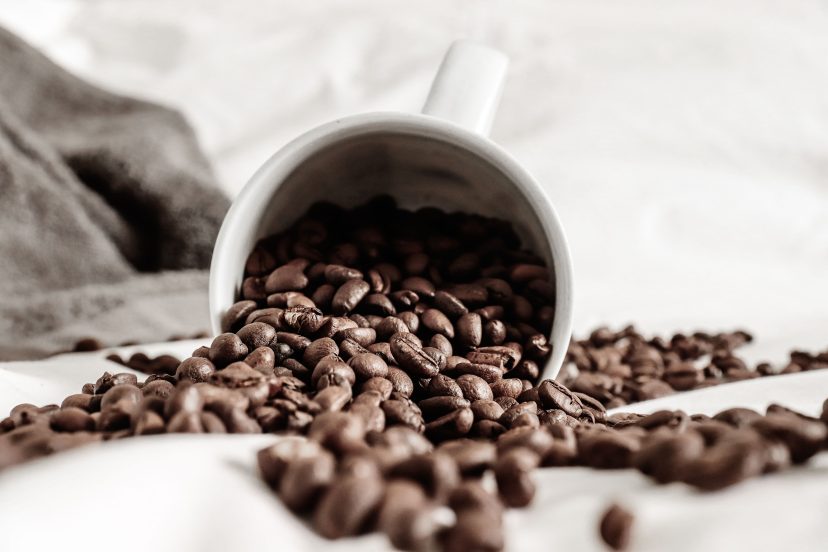
Hot coffee works beautifully with beans that have delicate flavors. Light and medium roasts often shine when served hot because you can notice more aroma and acidity.
Try hot brewing if your beans have tasting notes like:
- Citrus
- Berry
- Floral
- Honey
- Tea-like
- Toasted nuts
- Brown sugar
Pour-over, drip coffee, and AeroPress can all bring out these details. If you love black coffee, hot brewing gives you the clearest view of what the beans can do.
Best Coffee Beans for Iced Coffee
Iced coffee works especially well with medium and medium-dark roasts. These beans often have enough body to hold up against ice, milk, and syrups.
Look for tasting notes like:
- Chocolate
- Caramel
- Hazelnut
- Vanilla
- Molasses
- Brown sugar
- Toasted almond
Light roasts can work for iced coffee too, but they may taste sharper. If you like fruity iced coffee, brew it stronger so the flavor does not disappear once the ice melts.
Recommended Products
1. Takeya Glass Cold Brew Coffee Maker
This is a helpful pick for anyone who wants smooth cold brew at home. It is simple, compact, and easy to keep in the fridge.
2. Chemex Classic Pour-Over Coffee Maker
The Chemex is great for hot coffee lovers who enjoy a clean, bright cup. It also looks beautiful on the counter, which never hurts.
3. OXO Brew Conical Burr Coffee Grinder
A burr grinder gives you more consistent grounds than a blade grinder. That means better extraction and better flavor in both iced and hot coffee.
4. Fellow Stagg EKG Electric Gooseneck Kettle
This kettle works well for pour-over fans because it gives better pouring control and temperature precision.
5. FoodVille Rechargeable Milk Frother
A handheld frother is handy for iced lattes, hot cappuccinos, and quick coffee drinks when you want café-style texture without a big machine.
Conclusion
The iced vs. hot coffee debate does not need a single winner. Hot coffee brings out aroma, acidity, and complexity, making it ideal for people who love tasting every little detail in the cup. Iced coffee offers smoothness, refreshment, and easy sweetness, especially when paired with milk, cream, or flavored syrups. If you want the best coffee experience, try the same beans both ways. You may be surprised by how different they taste—and you might end up loving both for completely different reasons.
FAQs
1. Is iced coffee stronger than hot coffee?
Not always. Strength depends on the coffee-to-water ratio, serving size, and dilution. Iced coffee can taste weaker if the ice melts quickly, so it often needs a stronger brew.
2. Does hot coffee have more flavor than iced coffee?
Hot coffee usually has a stronger aroma and more noticeable complexity. However, iced coffee can taste smoother and sweeter, especially with medium or dark roasts.
3. Should you choose cold brew or iced coffee?
Cold brew is not automatically better. It is smoother and less sharp, while iced coffee tastes brighter because it starts as hot-brewed coffee. The better choice depends on your flavor preference.
4. What roast is best for iced coffee?
Medium and medium-dark roasts work well for iced coffee because they often have chocolate, caramel, and nutty notes that hold up nicely with ice and milk.
5. Can I use the same beans for iced and hot coffee?
Yes. In fact, trying the same beans both ways is a great way to understand coffee flavor. Hot brewing may highlight aroma and acidity, while iced brewing may bring out sweetness and smoothness.