How To Brew Coffee Without a Coffee Maker
We may earn a commission for purchases made using our links. Please see our disclosure to learn more.
You can brew coffee without a coffee maker and still get a rich, satisfying cup. Whether your machine broke, you are traveling, or you simply do not own one, all you need is ground coffee, hot water, and a way to strain the grounds. With the right ratio, grind size, and steeping time, simple tools such as a saucepan, jar, or strainer can produce surprisingly good results.
Why Good Coffee Does Not Always Need a Machine
A coffee maker is convenient because it manages water flow and timing for you. However, it does not magically create flavor. The taste derives from the effect water has on coffee.
That means you can still make a good cup manually. In fact, brewing by hand teaches you what actually changes the taste. A little more coffee makes the cup fuller. A finer grind extracts faster. Hotter water pulls flavor quickly, while cooler water needs more time.
Specialty coffee rewards this kind of attention. If you are using fresh beans, even a simple no-machine method can bring out sweetness, acidity, body, and aroma.
Start With the Right Coffee, Grind, and Water
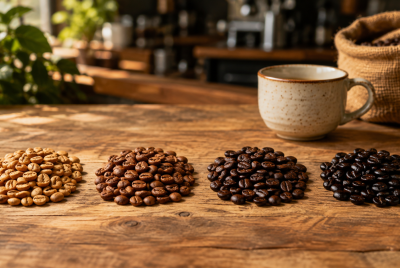
Fresh coffee makes the biggest difference. Whole beans are ideal because they hold aroma longer than pre-ground coffee. Still, if pre-ground coffee is what you have, use it. The coffee police are not coming.
For most no-maker methods, aim for a medium to medium-coarse grind. It should look a little like coarse sand. If the coffee is too fine, your cup may taste bitter or silty. If it is too coarse, it may taste thin or sour.
Water matters too. Use clean, fresh-tasting water. IIf your tap water has a noticeable chlorine taste or a heavy mineral flavor, switch to filtered water for a cleaner cup.
The Specialty Coffee Association’s Golden Cup coffee brewing standards recommend using about 55 grams of coffee per liter of water, plus or minus 10%. They also suggest keeping brewing water around 200°F, give or take 5°F, when it touches the coffee grounds.
The Best Ratio for No-Maker Coffee
A practical starting ratio is:
2 tablespoons of ground coffee for every 6 ounces of water
If you use a scale, try:
15 grams of coffee to 250 grams of water
This creates a balanced cup for most brewing styles. If you like stronger coffee, use a little more coffee rather than steeping forever. Long steeping can pull out harsh flavors, especially with fine grounds.
For a larger batch, use:
30 grams of coffee to 500 grams of water
That gives you enough for two small cups or one large “please do not speak to me yet” morning mug.
Method 1: The Saucepan Method
This is the easiest way to brew coffee without a coffee maker because almost every kitchen has a pot. Think of it as a cleaner, gentler version of cowboy coffee.
How to Make It
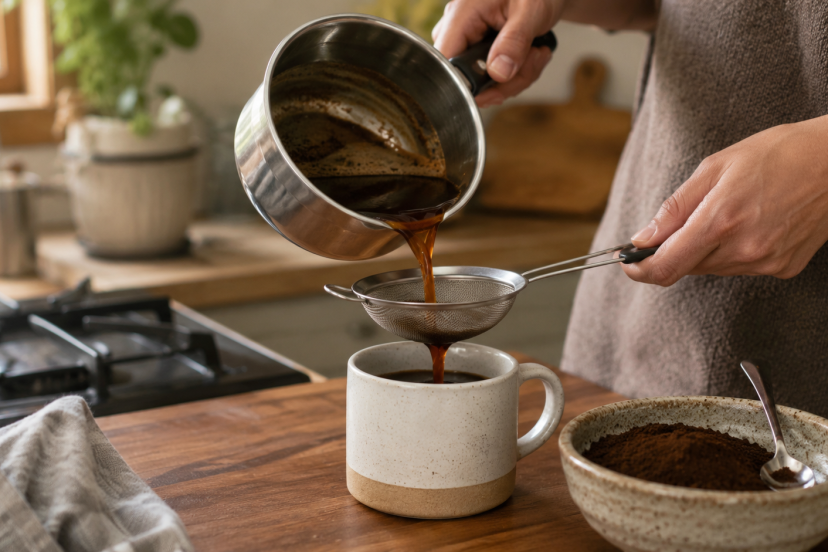
Add water to a small saucepan and bring it close to a boil. Turn off the heat and wait about 30 seconds so the water is hot but not violently bubbling.
Stir in your ground coffee. Use about 2 tablespoons per 6 ounces of water. Let it steep for 4 minutes.
After steeping, stir once, then let the grounds settle for another minute. Slowly pour the coffee into a mug, leaving most of the grounds behind. For a cleaner cup, pour it through a fine mesh strainer, paper filter, or clean cloth.
Best For
This method works well when you want hot coffee fast and do not mind a little sediment. It gives the cup a fuller body, similar to French press coffee.
Method 2: The Mason Jar Immersion Method
The jar method is perfect when you want more control and less mess. It also feels oddly satisfying, like making coffee in a tiny science lab.
How to Make It
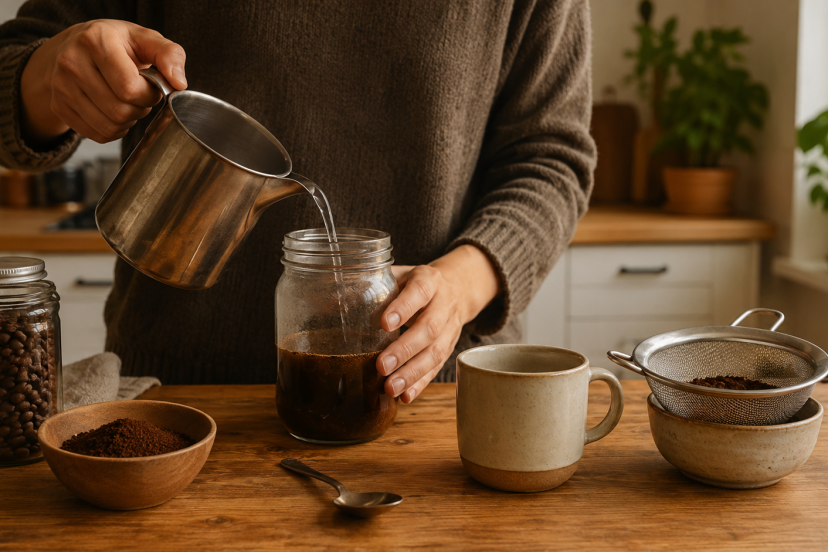
Add ground coffee to a mason jar or heat-safe glass container. Add the hot water to the coffee grounds, then give everything a light stir.
Cover the jar loosely and let it steep for 4 to 5 minutes. Then pour the coffee through a strainer, paper filter, or clean kitchen towel into your mug.
If the flavor tastes weak, steep one minute longer next time. If it tastes harsh, shorten the steep or use a slightly coarser grind.
Best For
Use this method when you want a richer, rounder cup. It is also handy for making coffee for two people without guessing your way through multiple mugs.
Method 3: The DIY Pour-Over Method
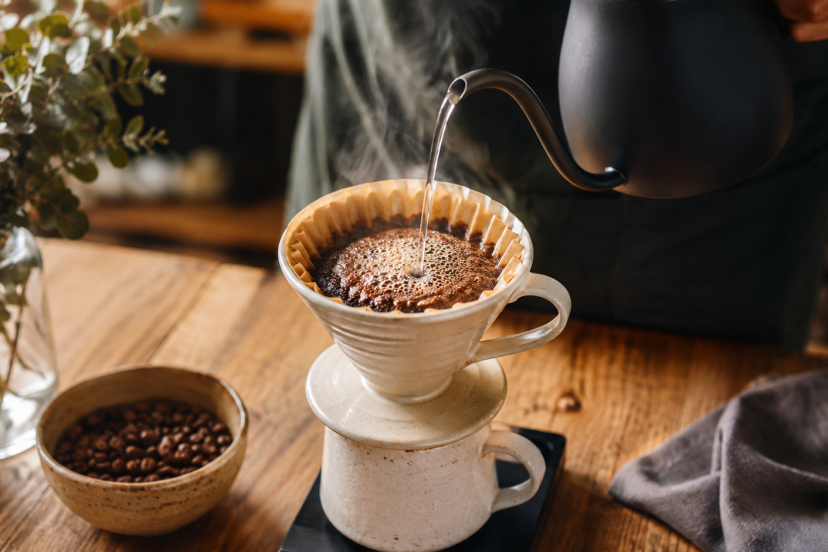
If you like clean, bright coffee, a DIY pour-over is your best no-machine option. You do need some kind of filter, but you do not need an actual coffee maker.
How to Make It
Place a paper coffee filter, clean cloth, or sturdy paper towel over a mug. Secure it with a rubber band, or nestle it inside a small funnel if you have one.
Add medium-ground coffee to the filter. Slowly pour a small amount of hot water over the grounds and wait 30 seconds. This helps the coffee bloom and release trapped gas.
Next, slowly add the rest of the water using small circular pours. Keep the filter from overflowing. The full brew should take around 3 to 4 minutes.
Best For
This method is great for lighter roasted specialty beans because it keeps the cup cleaner and lets delicate flavors show. Floral, citrusy, and tea-like coffees often taste better this way.
Method 4: Cold Brew Without Equipment
Cold brew is the most forgiving way to brew coffee without a coffee maker. It does not need heat, timing is flexible, and the flavor usually comes out smooth.
How to Make It
Add 1 cup of coarse ground coffee to 4 cups of cold or room-temperature water. Mix everything well, place a lid over the container, and leave it to steep for 12 to 18 hours.
Strain the mixture through a fine mesh strainer, then filter it again through paper or cloth if you want a cleaner concentrate.
Add the cold brew to a glass of ice, then soften its strength with your preferred amount of milk or water. A 1:1 mix of cold brew concentrate and liquid is a good starting point, but you can adjust it to your taste.
Research on full-immersion brewing found that roast level, brewing temperature, and time can create major sensory differences in coffee. In one study, 25 of 28 sensory attributes differed across samples, which explains why cold brew can taste so different from hot coffee made with the same beans.
How To Fix Weak, Bitter, or Muddy Coffee
If your coffee tastes weak, use more coffee or grind it slightly finer next time. Weak coffee usually means the water did not extract enough flavor.
If it tastes bitter, shorten the steeping time, use slightly cooler water, or choose a coarser grind. Bitterness often comes from over-extraction.
If it tastes muddy, improve your filtering. A fine mesh strainer helps, but paper filters catch more sediment. You can also let the coffee sit for one minute before pouring so the grounds settle.
If it tastes flat, check your beans. Old coffee loses aroma, and no brewing trick can fully bring it back. Freshly roasted beans will always give you a better chance at a lively cup.
Once you have a strong homemade brew, you can also turn it into something sweeter, like this cozy cookie butter latte made with Biscoff spread.
Recommended Products
These tools are useful if you often make coffee manually or want a backup setup for travel, camping, or machine-free mornings.
1. Hario V60 Paper Coffee Filters
Paper filters help create a cleaner cup when using the DIY pour-over method. They catch fine sediment better than most strainers and are easy to toss after brewing.
2. OXO Brew Conical Burr Coffee Grinder
A burr grinder gives you more even grounds than a blade grinder. That helps your coffee extract more evenly, especially when you switch between saucepan coffee, cold brew, and pour-over-style brewing.
3. HARIO V60 Drip Scale
A scale removes the guesswork from coffee. Instead of hoping your “scoop” is the same every morning, you can measure coffee and water accurately.
4. LuxHaus Pour Over Kettle Gooseneck Kettle With Thermometer
A gooseneck kettle gives you better pouring control. The built-in thermometer also helps you stay near the ideal hot brewing range without guessing.
5. Mesh Pour Over Coffee Filter
A reusable mesh filter works well when you do not want to keep buying paper filters. It usually creates a fuller-bodied cup because more natural oils pass through.
Conclusion
You do not need a machine to make coffee worth slowing down for. It’s really easy to brew coffee without a coffee maker at home. You only need a simple method, a decent ratio, fresh-tasting water, and a little patience. The saucepan method gives you speed, the mason jar method gives you body, the DIY pour-over gives you clarity, and cold brew gives you smoothness with almost no effort. Start with the basic ratio, taste the result, and adjust one thing at a time. That is how a backup coffee plan becomes a reliable brewing skill.
FAQs
Can I brew coffee without a coffee maker and still make it taste good?
Yes. Use fresh coffee, clean water, and a steady ratio. A strainer or paper filter will also help create a cleaner cup.
What is the easiest no-maker coffee method?
The saucepan method is the easiest. Heat water, steep the grounds, let them settle, and pour carefully.
Is it possible to filter coffee with a paper towel?
Yes, but only use a plain, unscented paper towel. Fold it into a filter shape and support it well so it does not tear.
Why does my no-maker coffee taste bitter?
It may have steeped too long, the grind may be too fine, or the water may have been too hot. Use a slightly coarser grind and reduce the brewing time.
What grind size works best without a coffee maker?
Medium to medium-coarse works for most methods. Use coarse grounds for cold brew and slightly finer grounds for DIY pour-over.