
Unique Coffee Rituals Around The World
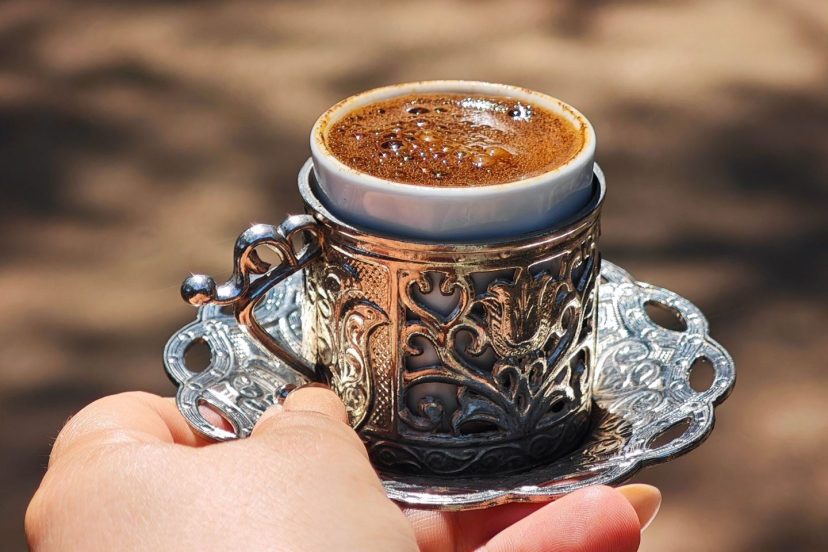
We may earn a commission for purchases made using our links. Please see our disclosure to learn more.
Most of us have a coffee routine. Maybe you brew a cup before work, grab an espresso on your commute, or make iced coffee to get through a hot afternoon. But coffee isn’t always something people rush through. In Ethiopia, preparing coffee for guests can take hours. In Sweden, coworkers sit down together for coffee and conversation. Lastly, in Türkiye, some people practice fortune-telling by interpreting the shapes formed by leftover coffee grounds in their cups. Let’s explore eight coffee rituals around the world, what makes them special, and how you can experience them at home.
Why Coffee Traditions Differ Around the World
Coffee rituals around the world develop through local history, ingredients, brewing techniques, and social customs.
In some countries, serving coffee shows hospitality and respect. Elsewhere, visiting a café is part of the daily routine.
Even the preparation varies. Some cultures prefer strong, concentrated coffee, while others enjoy filtered brews or drinks flavored with spices.
Understanding these differences gives you a new appreciation for what’s in your cup.
8 Unique Coffee Rituals Around the World
1. Ethiopia: The Traditional Coffee Ceremony
In Ethiopia, making coffee for guests is often an occasion in itself.
The traditional coffee ceremony, known as buna, begins with roasting green coffee beans. The host grinds the coffee beans before brewing them in a traditional clay vessel known as a jebena.
The aroma of roasting coffee fills the room, sometimes accompanied by burning incense.
Coffee is traditionally served in three rounds, often alongside popcorn or roasted grains.
The ceremony can last well over an hour, giving guests plenty of time to talk and enjoy each other’s company.
Try it at home: Grind fresh coffee beans, prepare several small servings, and invite friends over for an unhurried afternoon.
2. Italy: A Quick Espresso at the Coffee Bar
Walk into an Italian coffee bar in the morning, and you’ll likely see customers standing at the counter drinking espresso.
Ordering un caffè usually gets you a small cup of espresso, often enjoyed in just a few sips.
Cappuccino is a popular breakfast drink, while espresso remains common throughout the day.
Italy also has a generous tradition called caffè sospeso, particularly associated with Naples. Customers pay for an additional coffee that someone else can claim later.
It’s a simple reminder that even a quick coffee stop can bring people together.
Try it at home: Brew an espresso and enjoy it from a small ceramic cup. A moka pot is another option for strong Italian-style coffee.
3. Türkiye: Turkish Coffee and Fortune-Telling
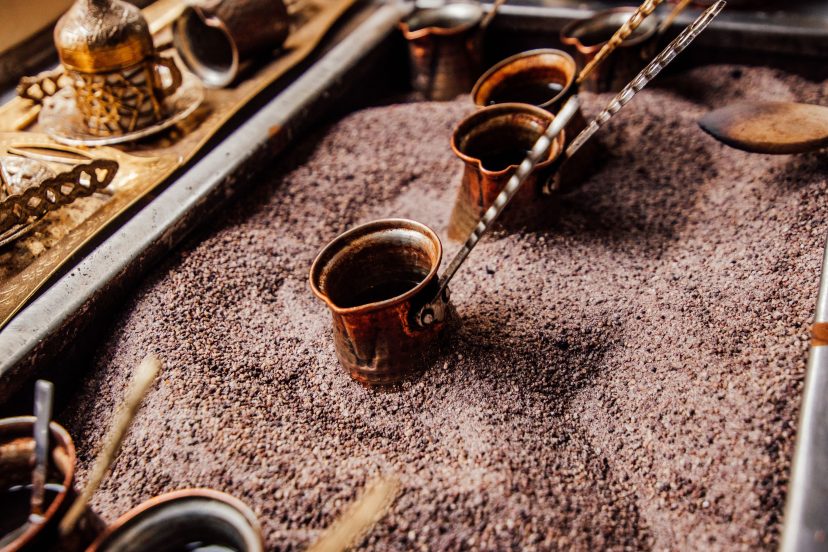
Turkish coffee has a distinctive brewing method that uses finely ground coffee and a small pot called a cezve.
Coffee, water, and optional sugar are heated slowly until foam rises. The drink is then poured directly into small cups without filtering the grounds.
A serving of Turkish coffee is usually accompanied by a small glass of water and a sweet treat, often Turkish delight.
After drinking, some people turn their cups upside down and interpret the patterns left by the grounds. This custom, called tasseography, adds a playful element to social gatherings.
In 2013, Turkish coffee customs received international recognition when UNESCO highlighted their cultural significance as part of humanity’s living heritage.
Try it at home: Use extra-finely ground coffee and a cezve. Heat gently, pour into small cups, and let the grounds settle before drinking.
4. Sweden: Fika, the Coffee Break That Matters
Sweden’s fika tradition makes coffee breaks a regular opportunity to connect.
Fika often involves sitting down with friends, family, or coworkers for coffee and something sweet, such as a cinnamon bun.
Unlike a rushed break between tasks, fika encourages people to enjoy the conversation.
The tradition is common in Swedish workplaces, where colleagues gather informally during the day.
A 2023 paper, Taking a Closer Look at the Swedish Coffee Break, “Fika”, looks at how Sweden’s coffee-break tradition shapes everyday conversations and relationships among people.
Try it at home: Set aside 15 minutes for coffee with someone. Set your phone aside and focus on spending quality time with the people around you.
5. Vietnam: Strong Coffee and a Slow Drip
Vietnamese coffee is famous for its bold flavor and use of sweetened condensed milk.
One popular drink, cà phê sữa đá, combines concentrated coffee, condensed milk, and ice.
Vietnamese coffee is commonly prepared with a compact metal brewing device known as a phin, which allows hot water to pass slowly through the grounds. Hot water slowly passes through the grounds, dripping directly into a glass.
Robusta beans are commonly used, giving Vietnamese coffee its characteristic strong flavor.
The condensed milk adds sweetness and balances the coffee’s bitterness.
Try it at home: Add condensed milk to a glass, brew coffee using a phin, stir, and pour over ice.
6. Japan: The Quiet Charm of Kissaten Coffee Shops
Japan’s traditional coffeehouses, called kissaten, offer a more relaxed alternative to busy modern cafés.
Many feature wooden furniture, soft lighting, and carefully prepared coffee.
Some specialize in hand-dripped brewing, where baristas slowly pour hot water over freshly ground beans.
This approach allows careful control over brewing time and extraction.
Kissaten have also served as gathering places for reading, conversation, and music.
Try it at home: Use a pour-over dripper and freshly ground coffee. Pour water slowly and experiment with brewing time to find your preferred flavor.
7. Saudi Arabia: Arabic Coffee and Hospitality
In Saudi Arabia, serving Arabic coffee is an important way to welcome guests.
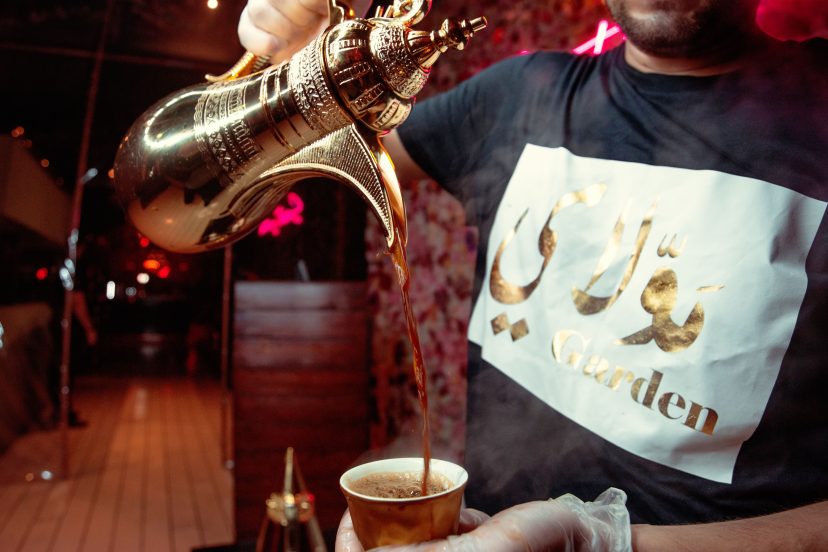
Known as qahwa, the drink commonly combines lightly roasted coffee with cardamom. Depending on the region, the coffee may be flavored with aromatic spices such as saffron and cloves.
Traditionally, hosts pour coffee from a distinctive pot called a dallah into small, handleless cups known as finjan.
Dates often accompany the drink, providing sweetness.
Guests receive small servings, and hosts may offer several refills.
The tradition reflects the importance of generosity and hospitality in Saudi culture.
Try it at home: Brew lightly roasted coffee with cardamom and serve small portions alongside dates.
8. Mexico: Café de Olla With Cinnamon and Piloncillo
Mexico’s café de olla combines coffee with cinnamon and piloncillo, an unrefined cane sugar with a caramel-like flavor.
The drink gets its name from the traditional earthenware pot used to brew it.
Water is heated with cinnamon and piloncillo until the sugar dissolves. Ground coffee is then added and left to steep before straining.
Depending on the household recipe, cloves or orange peel may be added for extra flavor.
Café de olla is especially comforting during cooler weather and pairs well with traditional Mexican pastries.
Try it at home: Simmer water with cinnamon and piloncillo. Add ground coffee, steep briefly, and strain into mugs.
Recommended Products
These five coffee tools can help you recreate traditional brewing methods at home.
1. Bialetti Moka Express Stovetop Coffee Maker – The Bialetti Moka Express makes strong, concentrated coffee using stovetop pressure. It’s a practical choice for exploring Italian home coffee culture.
2. Hario V60 Ceramic Coffee Dripper – The Hario V60 gives you control over water flow and brewing time. Its cone-shaped design works well for Japanese-style pour-over coffee.
3. Bodum Chambord French Press – The Bodum Chambord produces full-bodied coffee without disposable paper filters. It’s convenient for making several cups during a relaxed fika.
4. Thang Long Vietnamese Coffee Phin Filter – This stainless steel phin filter allows coffee to drip slowly into your cup. Add sweetened condensed milk to create the rich, creamy flavor of Vietnamese iced coffee.
5. Engraved Turkish Coffee Pot – This coffee pot is designed for brewing extra-finely ground Turkish coffee. Its narrow opening helps develop the traditional foam.
Conclusion
Exploring coffee rituals around the world shows how differently people can experience the same drink. Ethiopia’s coffee ceremonies bring people together, Italy’s espresso bars fit into busy mornings, and Swedish fika makes room for conversation. Each tradition offers something worth appreciating, whether it’s a brewing technique, a special ingredient, or a reason to slow down.
If you’d like to try something new, explore different coffee brewing methods and choose a tradition that suits your taste. Exploring different coffee traditions might even inspire you to change up your usual coffee routine.
FAQs
1. What are the most famous coffee rituals around the world?
Popular traditions include Ethiopia’s coffee ceremony, Italy’s espresso culture, Turkish coffee preparation, Swedish fika, and Vietnamese phin brewing.
2. Which country has the oldest coffee tradition?
Ethiopia is closely associated with coffee’s origins, while Yemen played an important role in the early cultivation and spread of coffee drinking. Both have centuries-old coffee traditions.
3. Why is coffee important in different cultures?
Coffee often represents hospitality, friendship, and community. Preparing and sharing it creates opportunities for conversation and social connection.
4. What is the easiest international coffee ritual to try at home?
Swedish fika is one of the easiest. Make your usual coffee, enjoy a snack, and spend a few minutes relaxing or talking with someone.
5. Do you need special equipment for international coffee rituals?
Not always. Turkish coffee and Vietnamese phin brewing benefit from traditional tools, but Swedish fika and Mexican café de olla can be enjoyed with basic kitchen equipment.