Single-Origin Beans and Coffee Blends Compared
We may earn a commission for purchases made using our links. Please see our disclosure to learn more.
Walk into a specialty coffee shop or browse bags of beans online, and you will quickly run into two labels: single origin coffee and coffee blends. They may look similar in the bag, but the ideas behind them are quite different.
Single origin coffee puts the focus on where the beans came from. A blend combines coffees from different farms, regions, or countries to create a particular flavor profile.
Neither option is automatically better. Single origins can offer distinctive flavors and greater traceability, while blends often deliver balance and consistency. Understanding those differences makes it much easier to choose beans you will actually enjoy.
What Is Single Origin Coffee?
When a coffee is sold as single origin, the beans can be traced back to the same general growing area rather than being combined with beans from several unrelated sources. Depending on the roaster, that could mean one country, region, cooperative, estate, or individual farm.
A bag labeled “Ethiopia” may contain beans collected from several farms within an Ethiopian growing region. A more specific coffee might name the farm, producer, variety, altitude, or even the exact lot.
The main appeal is individuality. Instead of designing the coffee to taste the same throughout the year, the roaster allows the characteristics of a particular growing area and harvest to stand out.
You might find an Ethiopian coffee with floral and citrus notes, a Colombian coffee with caramel-like sweetness, or a Sumatran coffee with a heavier, earthy character.
What Is a Coffee Blend?
A coffee blend combines two or more coffees into one finished product.
Roasters create blends for several reasons. They may want more sweetness, extra body, softer acidity, or simply a cup that tastes consistent month after month.
For example, one coffee could provide chocolate and nutty flavors while another adds brightness and fruitiness. When the proportions work well, the result can feel more balanced than either coffee on its own.
If you want examples of how roasters combine different flavor profiles, this guide to popular coffee blends offers a useful starting point.
Single Origin Coffee vs Blends at a Glance
| Feature | Single Origin Coffee | Coffee Blend |
| Source | One defined origin | Multiple origins |
| Flavor | Distinct and expressive | Balanced and rounded |
| Consistency | Can change seasonally | Usually more consistent |
| Traceability | Often higher | Depends on the blend |
| Best for | Exploring flavor differences | Reliable everyday drinking |
| Common roast style | Light to medium | Medium to dark |
| Espresso use | Possible, but can be challenging | Very common |
The biggest difference is therefore not quality. It is purpose.
Single origin coffee highlights individuality. A blend aims to combine characteristics into a deliberate final flavor.
How Origin Changes the Flavor of Coffee
Coffee does not develop its flavor from geography alone. Variety, altitude, temperature, rainfall, soil conditions, farming practices, processing, roasting, grinding, and brewing all play a role.
Still, geographical origin can matter.
A scientific review examining coffee terroir and sensory characteristics explains that environmental conditions such as altitude, temperature, rainfall, shade, and agricultural practices can contribute to the sensory character associated with an origin. The authors also stress that post-harvest processing and brewing affect what eventually reaches your cup.
A 2024 study of Brazilian specialty coffees likewise found that geographical region and post-harvest processing influenced chemical composition and sensory quality. Research on geographical origin and coffee quality found measurable differences among coffees from different production areas.
So, while “terroir” is useful, it should not be treated like magic. The farm is only one part of a much longer flavor journey.
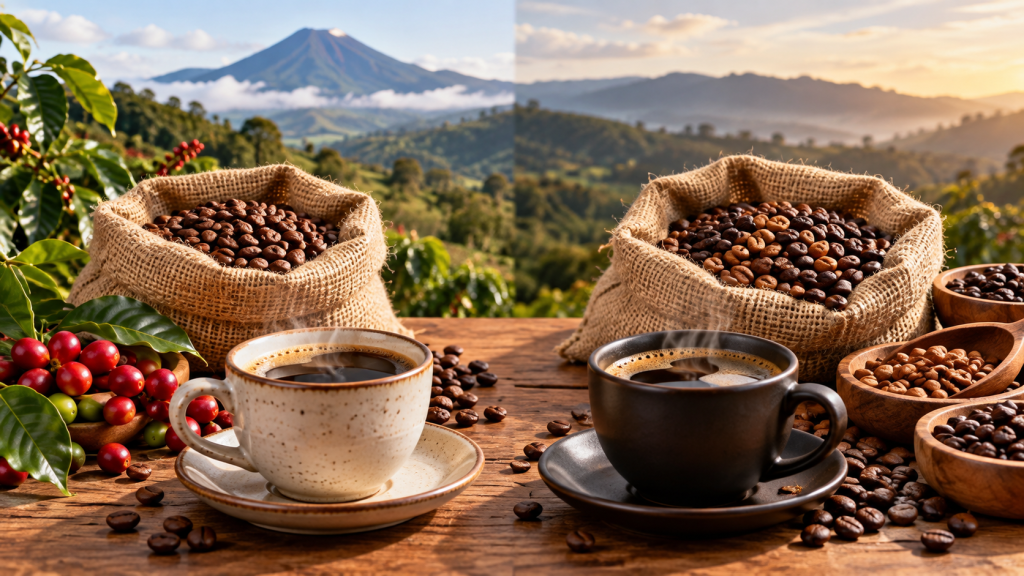
Flavor Differences Between Single Origin Coffee and Blends
This is where the comparison gets interesting.
Single Origin Flavor
Single origins often appeal to people who enjoy discovering unusual flavors.
A light-roasted Kenyan coffee, for example, might offer bright berry-like acidity. Some washed Ethiopian coffees can lean toward citrus, tea, or floral notes.
These characteristics are easier to notice when the coffee is roasted lightly enough to preserve them.
However, a distinctive cup is not automatically an easy-drinking one. Someone accustomed to dark, chocolate-heavy coffee may initially find a bright single origin surprisingly acidic.
Blend Flavor
Blends generally aim for harmony.
A roaster might combine a sweet Brazilian coffee with a brighter Colombian or Ethiopian component. The result could offer chocolate, caramel, fruit, and a fuller body without allowing one characteristic to dominate.
That balance explains why blends are so common in espresso.
Milk can overwhelm delicate coffee flavors. A well-designed espresso blend can retain enough body and sweetness to remain noticeable in cappuccinos and lattes.
Consistency and Seasonality
Coffee is an agricultural product, so crops change.
A single origin from one harvest may taste slightly different when the next harvest arrives. Weather, processing conditions, ripeness, and many other variables can influence the beans.
This variability is part of the fun for coffee enthusiasts. You get to experience coffee as a seasonal product rather than expecting identical flavor forever.
Blends take the opposite approach.
A skilled roaster can replace one component when it becomes unavailable and adjust the recipe to maintain a familiar taste. That makes blends useful for people who simply want their morning coffee to taste reliably good.
Matching Coffee Types With Brewing Styles
You can brew either type of coffee using virtually any method, but certain combinations make particular flavors easier to appreciate.
Pour-over brewing works especially well with many light and medium single origins because the clean cup can emphasize acidity, sweetness, and aroma.
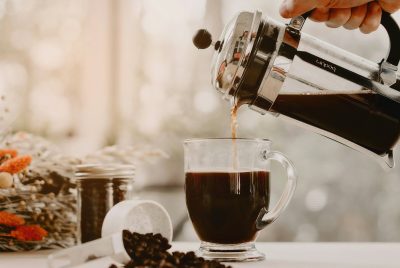
French press brewing gives coffee more body because the metal filter allows more oils and fine particles into the cup. That works well for both rich single origins and darker blends.
Espresso is where blends really shine. Espresso extraction concentrates flavor, so roasters often combine coffees to create sweetness, body, crema, and controlled acidity.
Your brewing method can dramatically change the result, so it is worth understanding the differences between popular coffee brewing methods before judging a new bag of beans.
Are Single Origin Coffees More Expensive?
Often, but not always.
Highly traceable single origin coffee can cost more because the supply may come from a relatively small harvest. Specialty lots may also involve careful cherry selection, specialized processing, detailed traceability, and higher payments to producers.
Blends can range from inexpensive supermarket coffee to premium specialty offerings.
Therefore, “blend” does not mean cheap, just as “single origin” does not guarantee exceptional quality.
Look beyond the label. Pay attention to the roaster, roast date, processing information, origin details, and whether the flavor description sounds appealing to you.
How to Choose Between Single Origin and Blended Coffee
Choose single origin coffee when you want to explore how coffees from different places taste. It is particularly rewarding if you drink coffee black and enjoy comparing acidity, sweetness, aroma, and finish.
Choose a blend when you prefer consistency, balanced flavor, espresso drinks, or coffee with milk.
You do not need to pick a team, either.
Keeping a dependable blend for weekday mornings and experimenting with single origins on weekends is a pretty sensible coffee setup.
5 Recommended Coffee Products to Try
If you want to compare the two styles yourself, these products offer a useful mix of single-origin and blended coffees.
1. Fresh Roasted Coffee Organic Peru
Fresh Roasted Coffee’s Peru option is a useful introduction to single origin coffee. Peruvian coffees commonly work well for drinkers who want approachable flavors rather than extremely sharp acidity. Try it as pour-over or drip coffee and drink the first cup without milk so you can pay attention to the natural sweetness and finish.
2. Amazon Fresh Colombia Whole Bean Coffee
A Colombian whole-bean coffee is another accessible way to explore origin-focused beans. Colombia produces many coffees with balanced sweetness, moderate acidity, and familiar chocolate or caramel-like characteristics. Whole beans also let you grind immediately before brewing, which helps preserve aroma.
3. Starbucks Breakfast Blend
Starbucks Breakfast Blend Medium Roast Whole Bean Coffee is a straightforward example of what blending can achieve. Its balanced profile makes it useful for comparing against a more distinctive single origin brewed with the same water, ratio, grinder, and coffee maker.
4. Dunkin’ Original Blend Whole Bean Coffee
Dunkin’ Donuts Dunkin Original Blend Medium Roast Whole Bean Coffee offers another familiar blended style. It makes sense for everyday drip coffee, especially for drinkers who value consistency more than highly unusual tasting notes.
5. Lavazza Caffè Espresso Whole Bean Blend
Lavazza Caffe Espresso Whole Bean Coffee Blend is worth considering if espresso is your preferred brewing method. Espresso blends illustrate why blending remains valuable: different coffees can contribute body, sweetness, aroma, and balance to the same shot.
Conclusion
Single origin coffee highlights the character of a specific place, while blends combine different coffees to create a more balanced, consistent cup. Neither is automatically better—it comes down to the flavors you enjoy and how you brew. If you like exploring unique tasting notes, try a single origin. If you prefer a dependable everyday coffee, a well-made blend may be the better fit.
FAQs
Is single origin coffee higher quality than a blend?
Not by definition. The final quality depends on factors such as bean selection, processing method, roast quality, freshness, and how the coffee is brewed.
Does single origin coffee have a bolder flavor?
Not always. The term refers to the coffee’s source, not how intense or strong it tastes in the cup.
Does single origin coffee work well for pour-over brewing?
It can be an excellent choice. Pour-over brewing produces a relatively clean cup, which can make delicate acidity, floral aromas, fruitiness, and sweetness easier to notice.
Why do espresso roasters often use blends?
Blending allows roasters to combine characteristics such as sweetness, body, acidity, and aroma. It also helps maintain a more consistent espresso profile when seasonal coffee supplies change.
How can I tell if coffee is genuinely single origin?
Read the bag carefully. A good label should identify at least the country or region. More traceable coffees may also list the farm, cooperative, producer, variety, elevation, processing method, and harvest information.