How To Make Authentic Vietnamese Coffee At Home
We may earn a commission for purchases made using our links. Please see our disclosure to learn more.
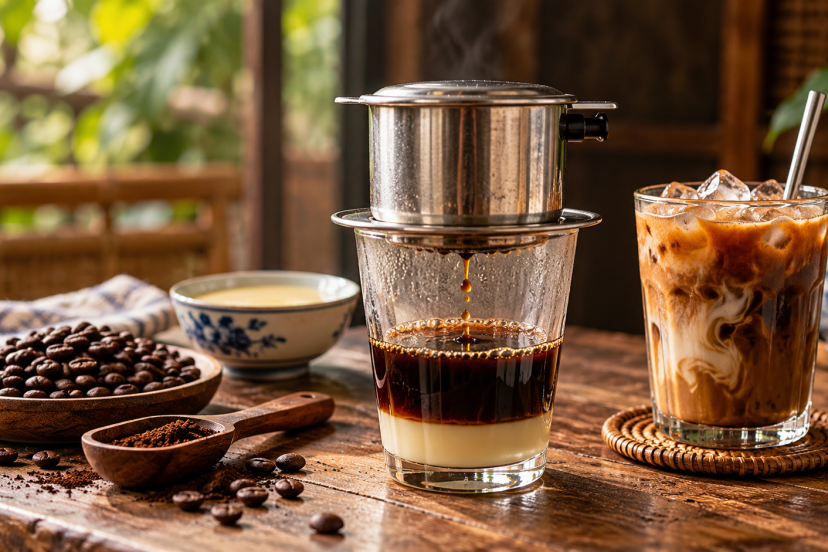
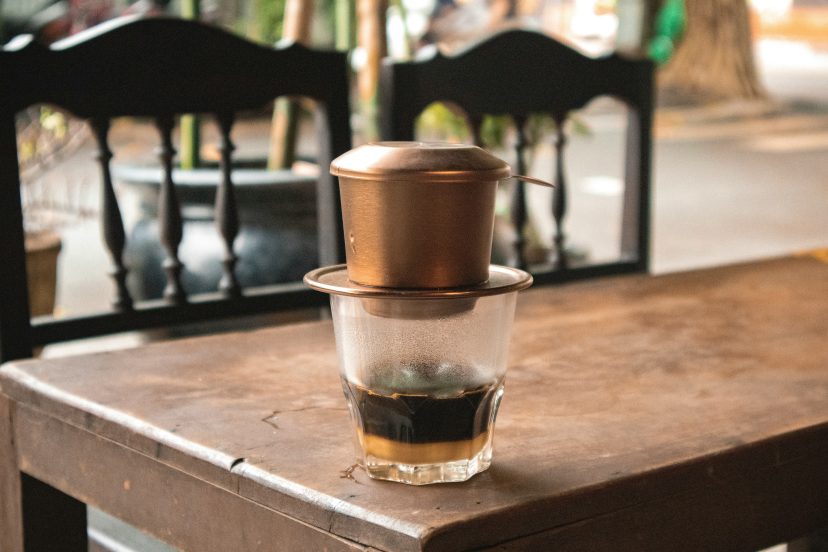
A small metal filter rests over a glass, slowly releasing drops of dark, aromatic coffee onto a layer of sweetened condensed milk. It’s a familiar sight in Vietnamese cafés, where making coffee is as much about the experience as the drink itself.
Vietnamese coffee has a distinctive character. It’s strong, full-bodied, slightly bitter, and often balanced with rich sweetness. Unlike ordinary drip coffee, the traditional method uses a phin filter to produce a concentrated brew.
You don’t need expensive equipment to recreate it. With the right beans, a simple filter, and a few brewing techniques, you can make authentic Vietnamese coffee at home, whether you prefer it hot or poured over ice.
What Makes Vietnamese Coffee Different?
Vietnamese coffee stands out because of its beans, brewing method, and distinctive combination of flavors.
Traditional recipes often use robusta coffee beans, which produce a stronger, more bitter cup than many arabica varieties. Their earthy, chocolate-like notes work particularly well with sweetened condensed milk.
A 2024 study published in Analytical Letters examined Vietnamese arabica and robusta coffee. Researchers found that robusta generally contained more caffeine, chlorogenic acids, and total phenolic compounds than arabica.
The brewing method also matters. Instead of forcing water through coffee under pressure, a traditional phin filter lets hot water pass slowly through the grounds.
This process produces a small, concentrated serving with a pronounced flavor. Adding condensed milk creates the familiar balance of sweetness, creaminess, and bitterness.
Ingredients and Equipment for Authentic Vietnamese Coffee
You only need a handful of ingredients to prepare traditional Vietnamese coffee.
Essential Ingredients
For one serving, gather:
- 2–3 tablespoons (about 20–22 grams) of ground robusta coffee
- 100–120 ml of hot water, around 195–205°F (90–96°C)
- 1–2 tablespoons of sweetened condensed milk
- Ice cubes, if serving cold
Start with two tablespoons of condensed milk if you enjoy a sweeter drink. For a more pronounced coffee flavor, use one tablespoon.
Equipment You’ll Need
The main piece of equipment is a Vietnamese phin filter, usually made from stainless steel or aluminum.
A traditional phin has four parts: a brewing chamber, perforated base, metal press, and lid.
You’ll also need a heat-resistant glass, kettle, spoon, and measuring scoop. A coffee grinder is helpful if you buy whole beans.
How to Make Vietnamese Coffee at Home
Making Vietnamese coffee takes roughly five to ten minutes, depending on the filter and grind size.
Step 1: Prepare the Condensed Milk
Spoon one or two tablespoons of sweetened condensed milk into a heat-resistant glass.
Spread it evenly across the bottom. The coffee will drip directly onto the milk, creating the familiar layered appearance.
Step 2: Add the Coffee Grounds
Place the phin over your glass and add approximately 20–22 grams of ground coffee.
Gently shake the filter to distribute the grounds evenly. Position the metal press on top without pushing it down too firmly.
Excessive pressure can restrict water flow and make brewing unnecessarily slow.
Step 3: Bloom the Coffee
Pour approximately 20–30 ml of hot water over the grounds.
Allow them to bloom for about 30 seconds. This initial wetting helps release trapped gas and prepares the coffee for more even extraction.
Step 4: Add the Remaining Water
Gradually add the rest of the hot water to the phin, then place the lid on top.
Coffee should begin dripping into the glass after a short delay.
Allow approximately five to seven minutes for brewing, although some filters take longer.
Step 5: Stir and Serve
Remove the filter once the dripping finishes.
Stir the coffee thoroughly until the condensed milk dissolves and the drink develops a smooth, caramel-brown appearance.
Enjoy it immediately while hot, or transfer it to a glass filled with ice.
How to Make Iced Vietnamese Coffee
Iced Vietnamese coffee, known as cà phê sữa đá, is particularly popular in southern Vietnam.
According to the Vietnam Tourism Board’s traditional recipe, the drink combines phin-brewed coffee with sweetened condensed milk and ice.
To prepare it, follow the standard brewing instructions, then stir the hot coffee and condensed milk together.
Fill a separate glass with ice and pour the mixture over it.
For a stronger drink, use larger ice cubes, which generally melt more slowly than crushed ice. You can also let the brewed coffee cool briefly before pouring.
The result is refreshingly cold, creamy, and intensely flavored without requiring an espresso machine.
Choosing the Right Coffee Beans
Coffee beans influence the final flavor just as much as the brewing technique.
Robusta is the traditional starting point. It typically offers a heavier body, noticeable bitterness, and earthy or chocolate-like flavors.
Arabica produces a different experience, often with greater acidity and a lighter body.
For an approachable introduction, consider a blend containing both varieties.
Try beans from different growing regions and explore various roast levels to discover new flavors. Understanding the differences between single-origin coffee and coffee blends can help you choose beans that suit your preferred flavor.
What Grind Size Works Best?
Choose a moderately coarse grind, with particles slightly smaller than those used for French press brewing but larger than espresso grounds.
Extremely fine grounds can clog the phin, while overly coarse grounds allow water to pass too quickly.
Aim for a steady drip rather than a continuous stream.
Popular Vietnamese Coffee Variations
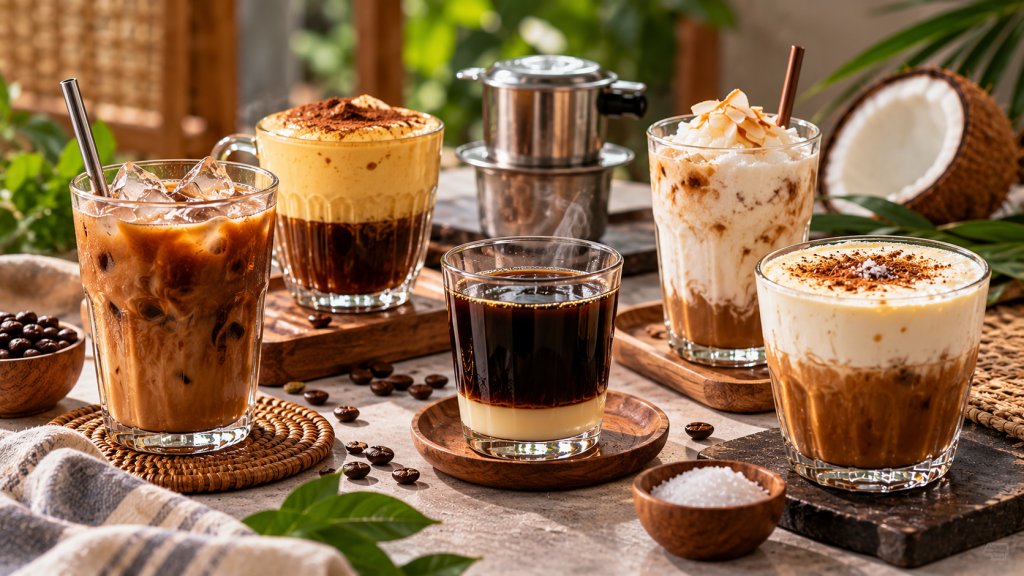
Vietnam has a rich coffee culture, with several regional drinks worth exploring beyond the traditional condensed milk recipe.
Cà Phê Đen – Black Coffee
This version contains freshly brewed coffee without condensed milk.
You can drink it hot or add ice for cà phê đen đá. It’s particularly suitable for anyone who enjoys the full intensity of robusta.
Cà Phê Trứng – Egg Coffee
Egg coffee is closely associated with Hanoi.
It combines strong coffee with a whipped mixture of egg yolk and sweetened condensed milk, creating a rich, custard-like topping.
Use pasteurized egg yolks when preparing an uncooked topping to reduce food safety risks.
Cà Phê Muối – Salt Coffee
Popularized in Hue, salt coffee combines concentrated coffee with lightly salted cream.
The salt changes how you perceive sweetness and bitterness, creating a rounded flavor without removing the coffee’s intensity.
Coconut Vietnamese Coffee
This modern variation combines strong Vietnamese coffee with coconut milk or cream, condensed milk, and ice.
Blend the coconut mixture until creamy, then pour the coffee over it for a refreshing dessert-style drink.
Best Products for Vietnamese Coffee
Having the right ingredients and equipment makes home brewing easier. These five products are useful for preparing traditional Vietnamese coffee.
1. Nguyen Coffee Supply Vietnamese Phin Filter
This stainless steel phin filter offers a convenient way to prepare traditional Vietnamese drip coffee. Its reusable design eliminates disposable paper filters and works well for single servings. Its compact size also makes it practical for kitchens with limited counter space.
2. Trung Nguyen Creative 1 Ground Coffee
Trung Nguyen Creative 1 is a robusta-based Vietnamese coffee with a bold flavor profile. It’s a suitable option for anyone looking to experience a more traditional, full-bodied brew. Its pronounced flavor holds up particularly well when combined with sweetened condensed milk.
3. Cafe Du Monde Coffee and Chicory
Cafe Du Monde combines dark-roasted coffee with chicory for a rich, distinctive flavor. Although it’s a New Orleans-style blend rather than a traditional Vietnamese robusta coffee, it has become a familiar alternative in Vietnamese-American coffee preparation. It’s worth trying if you enjoy earthy flavors with a slightly roasted, bittersweet finish.
4. Longevity Brand Sweetened Condensed Milk
Longevity Brand Sweetened Condensed Milk provides the thick consistency and sweetness needed for creamy Vietnamese coffee. It dissolves into hot coffee with stirring and creates a satisfying contrast against bitter, dark-roasted beans.
5. Trung Nguyen Vietnamese Coffee Phin Filter
The Trung Nguyen phin filter is another practical option for preparing individual cups of Vietnamese coffee. Its traditional metal construction offers a straightforward brewing experience without electricity or complicated equipment.
Conclusion
Making authentic Vietnamese coffee at home comes down to a few essentials: quality robusta beans, a traditional phin filter, and the right balance of coffee and condensed milk. Once you understand how grind size, water temperature, and brewing time affect extraction, it’s easier to prepare a consistently flavorful cup. Start with the classic hot or iced recipe, then experiment with sweetness and coffee strength until you find your preferred balance. Even with minimal equipment, you can enjoy the rich flavors that make Vietnamese coffee distinctive.
FAQs
1. What is Vietnamese coffee made of?
Traditional Vietnamese coffee typically uses dark-roasted robusta beans brewed through a metal phin filter. Many popular versions also include sweetened condensed milk, while iced preparations contain ice.
2. Can Vietnamese coffee be prepared without a traditional phin?
Yes. A French press or another coffee maker can produce strong coffee suitable for mixing with condensed milk. However, the extraction and texture will differ from traditional phin brewing.
3. Does Vietnamese coffee contain more caffeine than regular coffee?
It can be. Robusta generally contains more caffeine than arabica, and Vietnamese coffee often uses a concentrated brewing ratio. Actual caffeine content depends on the beans, serving size, and preparation method.
4. Can I use regular coffee beans for Vietnamese coffee?
Yes. Dark-roasted arabica or an arabica-robusta blend can work. However, pure robusta usually delivers a flavor closer to traditional Vietnamese café-style coffee.
5. What is the typical brewing time for Vietnamese coffee?
A typical phin brew takes approximately five to seven minutes, although some setups require up to ten minutes. Grind size, coffee quantity, and filter design influence how quickly water passes through the grounds.