Top 10 Best Coffee Grinders for Espresso
We may earn a commission for purchases made using our links. Please see our disclosure to learn more.
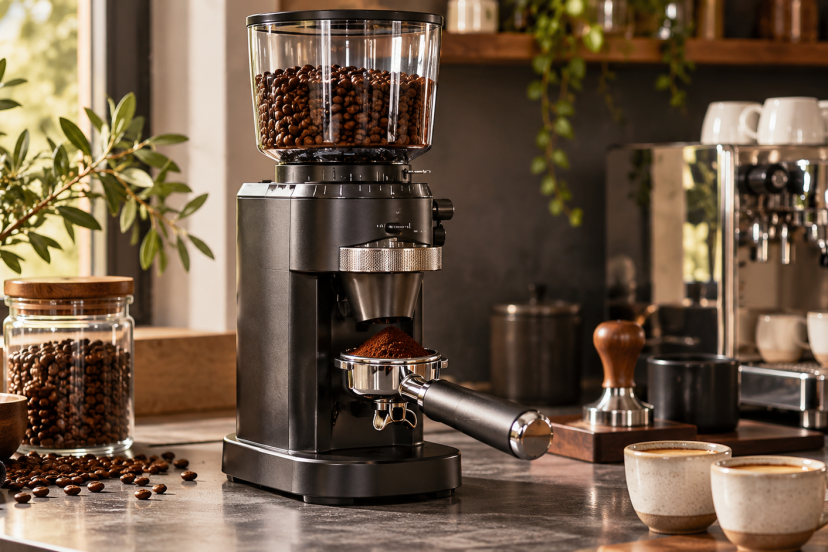
A good espresso machine can only do so much if the grinder feeding it is inconsistent. The best coffee grinders for espresso give you enough fine adjustment to control shot time, keep particle size reasonably consistent, and make small changes without turning your morning coffee into a guessing game. This roundup covers everything from espresso-focused electric burr grinders to affordable manual and entry-level options. Some are built for serious dialing-in, while others make more sense for beginners who want fresh grounds without spending several hundred dollars.
Our Top Picks
| Product | Best For | Key Feature | Rating |
| Breville Smart Grinder Pro | Best overall | 60 grind settings and programmable dosing | ★★★★⯪ |
| AMZCHEF Burr Coffee Grinder | Best value | 48 settings and portafilter grinding | ★★★★⯪ |
| SHARDOR Conical Burr Grinder | Fine adjustments | 51 settings and precision timer | ★★★★⯪ |
| Neretva Espresso Grinder | Direct-to-portafilter use | 30 settings and adjustable cradle | ★★★★☆ |
| Aromaster CG204 | Everyday versatility | 48 grind settings | ★★★★⯪ |
| Baratza Virtuoso+ | Premium all-purpose use | Steel burrs and digital timer | ★★★★⯪ |
| OXO Brew Conical Burr Grinder | Easy operation | One-touch grinding | ★★★★☆ |
| CEVING Manual Grinder | Travel | 40 external settings | ★★★★☆ |
| Cuisinart DBM-8 | Budget burr grinding | 18 grind positions | ★★★★☆ |
| BLACK+DECKER One-Touch Grinder | Lowest-cost option | Simple push-button operation | ★★★★⯪ |
10 Best Coffee Grinders for Espresso
1. Breville Smart Grinder Pro

The Breville Smart Grinder Pro is the easiest recommendation for someone who wants one grinder to handle espresso and several other brewing methods. Its 60 grind settings provide far more control than basic supermarket grinders, while Breville’s Dosing IQ timer adjusts grinding time in 0.2-second increments.
You can also grind directly into 50–54mm or 58mm portafilters, which keeps an espresso workflow quick and relatively clean.
Key features: 60 grind settings, stainless-steel conical burrs, LCD display, programmable timer, two portafilter cradles
Best for: Home espresso drinkers who want an established, versatile electric grinder
Pros: Excellent adjustment range; convenient portafilter dosing; easy-to-read controls; works beyond espresso
Cons: Takes up more counter space; serious espresso hobbyists may eventually want even finer adjustment
Why we recommend it: It combines useful espresso control with a user-friendly workflow, making it one of the safest choices for someone upgrading from an entry-level grinder.
2. AMZCHEF Burr Coffee Grinder

AMZCHEF’s grinder offers a compelling mix of espresso-friendly features without moving into premium-grinder pricing. You get 48 grind settings, a 40mm burr system, an LED timer with 0.5-second adjustments, and the option to grind straight into a portafilter.
The fine end of the adjustment range is specifically intended for espresso, while coarser settings let the grinder handle drip, pour-over, and French press.
Key features: 48 settings, 40mm burr, LED touchscreen, timed dosing, anti-static design
Best for: Espresso beginners looking for strong value
Pros: Wide adjustment range; convenient timer; low-mess design; direct portafilter grinding
Cons: Less established track record than Breville or Baratza; touchscreen controls may not appeal to everyone
Why we recommend it: There is a lot of useful espresso functionality here for the money, especially for someone building a first home barista setup.
3. SHARDOR Conical Burr Espresso Grinder

The SHARDOR CG018 gives you 51 grind settings and a timer adjustable in 0.1-second increments. Its 40mm stainless-steel conical burr and portafilter cradle make it much better suited to espresso than basic multipurpose grinders.
Anti-static technology is another practical touch if you’re tired of grounds sticking to the container and surrounding countertop.
Key features: 51 grind settings, 40mm conical burr, 0.1-second timer adjustments, portafilter cradle, anti-static system
Best for: Home baristas who like precise timed dosing
Pros: Plenty of adjustment; direct portafilter use; precise timer; relatively compact
Cons: Smaller brand support network than Breville; hopper-based design is less convenient for frequent bean switching
Why we recommend it: The combination of fine grind control and precise timed dosing makes it a particularly useful espresso-focused option.
4. Neretva Espresso Grinder

Neretva designed this grinder with espresso workflow clearly in mind. Its 30 grind settings include a dedicated fine range, while the adjustable cradle accommodates direct grinding into common espresso portafilters.
The anti-static system and included grounds container also make it useful when you switch between espresso and other brewing methods.
Key features: 30 grind settings, adjustable portafilter cradle, conical burr system, anti-static design
Best for: Espresso drinkers who want simple direct dosing
Pros: Espresso-friendly layout; easy portafilter grinding; compact footprint; versatile grind range
Cons: Fewer grind steps than several competitors; smaller review history than established brands
Why we recommend it: Its controls are straightforward and its portafilter-focused design avoids unnecessary complexity.
5. Aromaster CG204 Burr Coffee Grinder

Aromaster’s CG204 offers 48 grind settings, a removable burr, anti-static features, and an adjustable grinding timer. That range gives you room to experiment with espresso while still covering pour-over, drip, and French press.
It is particularly appealing for households that don’t exclusively brew espresso.
Key features: 48 settings, adjustable timer, stainless-steel burrs, removable burr, anti-static grounds bin
Best for: Households using several brewing methods
Pros: Broad grind range; easier cleaning; good capacity; useful timer
Cons: Larger than compact espresso-only grinders; adjustment isn’t as specialized as dedicated high-end espresso models
Why we recommend it: It strikes a practical balance between espresso capability and everyday versatility.
6. Baratza Virtuoso+
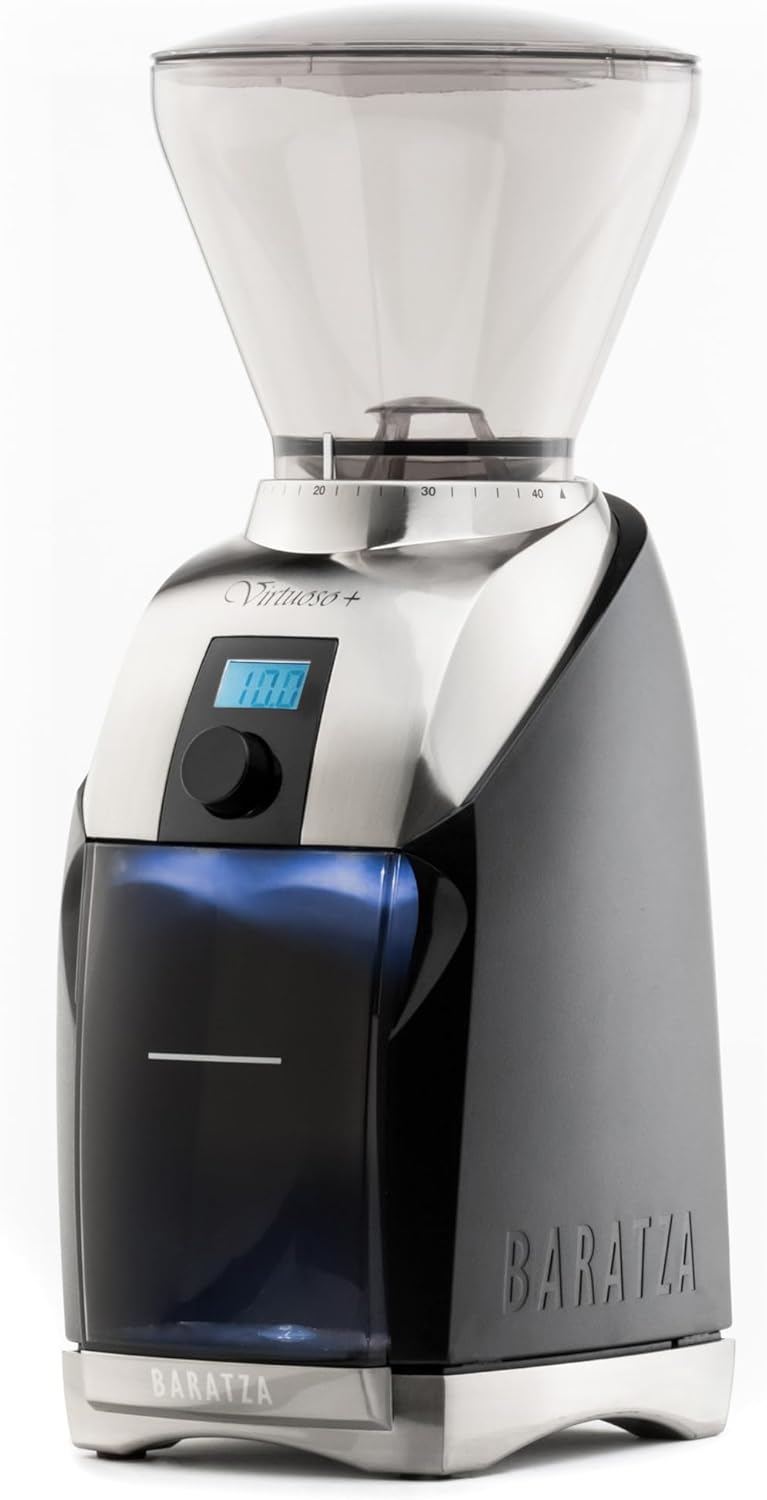
Baratza has built a strong reputation around repairable, enthusiast-friendly grinders, and the Virtuoso+ uses European-manufactured steel burrs with 40 adjustment settings. A digital timer adjustable to 0.1 seconds makes repeatable dosing straightforward.
Its main caveat is espresso. It can grind fine, but its adjustment system is better suited to someone who also brews drip or pour-over than a user chasing tiny espresso adjustments all day.
Key features: 40 settings, steel conical burrs, 0.1-second digital timer, compact design
Best for: Coffee enthusiasts brewing espresso plus filter coffee
Pros: Proven brand; quality burrs; excellent all-around consistency; repair-friendly reputation
Cons: Not as espresso-specialized as the Encore ESP or stepless grinders; premium price
Why we recommend it: It’s a quality grinder for someone who values versatility and build quality more than espresso-only optimization.
7. OXO Brew Conical Burr Coffee Grinder

The OXO Brew is one of the easiest grinders here to live with. Stainless-steel conical burrs, a generous hopper, and one-touch operation make daily grinding simple, and the grinder remembers the previous setting.
Its limitation is fine espresso adjustment. It works better as a versatile household grinder than as a machine for obsessively dialing in unpressurized espresso baskets.
Key features: Stainless-steel conical burrs, 12-ounce hopper, one-touch operation, grind-setting memory
Best for: Beginners who prioritize simplicity
Pros: Very easy to use; large hopper; proven popularity; straightforward controls
Cons: Limited espresso-level fine tuning; no dedicated portafilter cradle
Why we recommend it: It’s a dependable choice when convenience matters more than having dozens of tiny espresso adjustments.
8. CEVING Mini Manual Coffee Grinder

The CEVING manual grinder uses an external adjustment system with 40 settings and a ceramic conical burr. Its 30-gram capacity is enough for typical single-person brewing, and the compact body makes it easy to pack for trips.
Manual grinding takes more effort, especially at espresso-fine settings, but it eliminates the motor and electronics that drive up the cost of electric grinders.
Key features: 40 external settings, ceramic conical burr, 30g capacity, portable design
Best for: Travel, occasional espresso, and low-cost manual grinding
Pros: Affordable; portable; easy external adjustment; no electricity required
Cons: Slow for multiple espresso shots; ceramic burr isn’t as fast as larger steel burr systems
Why we recommend it: It’s a practical inexpensive option for anyone willing to trade speed for portability and manual control.
9. Cuisinart DBM-8 Supreme Grind

The Cuisinart DBM-8 has 18 grind positions ranging from ultra-fine to extra-coarse, plus an 8-ounce bean hopper and automatic shutoff. Cuisinart now identifies the model as discontinued, although remaining inventory may still appear through retailers.
It can be useful for inexpensive general coffee grinding, but it doesn’t offer the fine incremental control we would choose for consistently dialing in serious espresso.
Key features: 18 grind positions, burr mechanism, 8-ounce hopper, automatic timer
Best for: Budget shoppers using pressurized espresso baskets or multiple brewing methods
Pros: Simple controls; recognizable brand; inexpensive entry into burr grinding
Cons: Discontinued model; limited fine adjustment; weaker espresso performance than higher-ranked choices
Why we recommend it: It can still make sense at the right price, but we’d choose one of the dedicated espresso grinders above for an unpressurized basket.
10. BLACK+DECKER One-Touch Coffee & Spice Grinder

The BLACK+DECKER CBG110S is different from everything above because it uses stainless-steel blades rather than burrs. You control fineness by holding the push button longer, with the same grinder also capable of handling spices and other dry ingredients.
That simplicity keeps the cost low, but blade grinders create less-uniform particles and don’t provide repeatable grind-size settings.
Key features: Stainless-steel blades, one-touch control, locking lid, compact design
Best for: Very tight budgets and occasional coffee grinding
Pros: Affordable; tiny footprint; simple operation; multipurpose
Cons: No precise grind settings; inconsistent particle size; poorly suited to dialing in traditional espresso
Why we recommend it: It earns a place only as an inexpensive starting point. For regular espresso, even an affordable burr grinder is the better long-term purchase.
Final Thoughts
The best coffee grinders for espresso give you enough control to make small grind adjustments as beans age, humidity changes, or you switch coffees. For most home users, the Breville Smart Grinder Pro offers the strongest mix of control, convenience, and versatility, while the AMZCHEF and SHARDOR are appealing value alternatives. Your beans matter just as much as the grinder. Understanding how different coffee roast levels affect flavor and extraction can make dialing in easier.
FAQs
What type of coffee grinder is best for espresso?
A burr grinder with small, repeatable grind adjustments is usually best for espresso. Burrs produce more consistent particle sizes than blade grinders, while a broad adjustment range lets you change resistance through the coffee puck and control extraction time.
How many grind settings do I need for espresso?
There is no magic number, but more adjustment within the espresso-fine range is generally useful. A grinder with 40 or 60 settings isn’t automatically better than one with 30—the spacing between those settings matters just as much.
Are conical or flat burr grinders better for espresso?
Both can produce excellent espresso. Conical burrs are common in home grinders and often offer good performance at reasonable prices. Flat burrs are popular in enthusiast and commercial grinders because certain designs can provide excellent consistency and flavor clarity. Burr quality and adjustment precision matter more than shape alone.
Can I use a regular coffee grinder for espresso?
Sometimes, but results vary. A general-purpose burr grinder may work with pressurized espresso baskets, which are more forgiving. Traditional unpressurized baskets need much finer control because even a small grind adjustment can significantly change shot time.
Is a blade grinder good enough for espresso?
A blade grinder can make coffee fine, but it cannot reliably control particle size. That makes repeatable espresso extraction difficult. If espresso is your main brewing method, an entry-level burr grinder is usually a much better investment.