Coffee Roast Levels: Flavor, Body and Aroma Compared
We may earn a commission for purchases made using our links. Please see our disclosure to learn more.
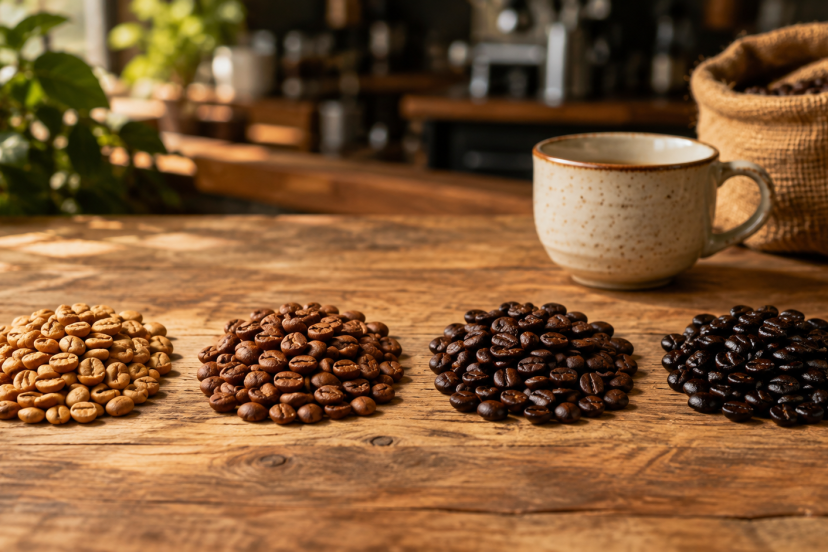
Choosing between light, medium, and dark roast is not always straightforward. Roast labels can vary between brands, so one company’s medium roast may look closer to another company’s medium-dark roast. Learning the basics of coffee roast levels can help you make a more informed choice. The roast affects the coffee’s flavor, aroma, acidity, and body, as well as how it responds to different brewing methods. This guide explains what you can generally expect from each level, whether you enjoy bright fruit notes, balanced sweetness, or a deeper roasted taste.
What Do Coffee Roast Levels Mean?
A roast level describes how far a roaster develops green coffee beans with heat. During roasting, the beans lose moisture, expand, turn brown, and produce the aromatic compounds that give brewed coffee its familiar smell and flavor.
Roasters control several factors throughout the process. These include temperature, airflow, roasting time, and how quickly the beans heat. Small adjustments can noticeably change the finished coffee. For this reason, two beans with a similar color may still taste quite different.
Color offers a helpful starting point, but it does not tell the whole story. The coffee variety, growing region, processing method, freshness, and brewing style also shape what ends up in your cup.
Coffee Roast Levels Compared at a Glance
| Roast level | Typical flavor | Acidity | Body | Aroma |
| Light | Citrus, berries, flowers, tea | High | Light to medium | Floral and fruity |
| Medium | Caramel, nuts, chocolate, ripe fruit | Medium | Medium | Sweet and toasted |
| Medium-dark | Dark chocolate, spice, toasted nuts | Low to medium | Medium to full | Rich and roasty |
| Dark | Bittersweet cocoa, smoke, char | Low | Full | Bold and smoky |
Think of these descriptions as general guidelines rather than fixed rules. For example, a naturally processed Ethiopian light roast may taste fruity and wine-like. A washed Colombian coffee roasted to the same level could taste cleaner, sweeter, and more citrus-forward.
The Specialty Coffee Association explains that roasting time, temperature, and final bean color all affect the chemical reactions responsible for flavor. Its discussion of why roast color changes coffee also explains how the Maillard reaction helps create coffee’s brown color and complex aromas.
How Roasting Changes the Coffee Bean
Unroasted green coffee has a grassy aroma and very little resemblance to the drink you know. Heat transforms the bean’s sugars, acids, proteins, and other natural compounds.
The Maillard reaction contributes much of the brown color and roasted aroma. Caramelization develops sweetness and richer flavors. As the roast continues, some of the coffee’s natural acids and origin-specific qualities begin to break down.
A 2020 review of eight sensory studies examined how roast time and color influence coffee flavor. Both factors affected the sensory results, but roast color proved to be the stronger predictor.
In simple terms, a lighter roast preserves more of the coffee’s original character. A darker roast places greater emphasis on flavors developed during roasting, such as dark chocolate, toast, and smoke.
Light Roast Coffee: Bright and Origin-Driven
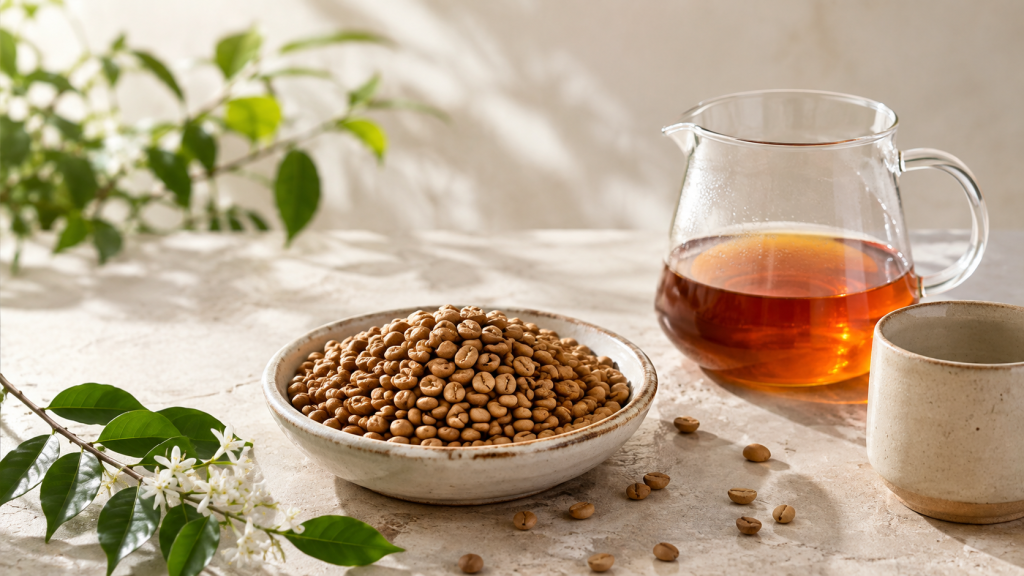
Light-roasted beans usually have a pale to light brown color and a dry surface. Light roasts are generally removed from the heat near the beans’ first audible popping stage, before deeper roasted flavors take over.
Flavor
Light roast often brings out citrus, berries, stone fruit, flowers, honey, tea, and gentle spice. These coffees usually make it easier to notice differences between growing regions and processing methods.
Their acidity may taste crisp, lively, or juicy. It should not feel unpleasantly sour when the coffee has been properly roasted and brewed. However, an underdeveloped light roast can have grassy, grain-like, or sharply sour flavors.
The brewing process matters here. If your cup tastes thin and sour, try grinding slightly finer or extending the brew time. These adjustments can improve extraction and reveal more sweetness.
Body and aroma
Most light roasts have a light or medium body with a clean finish. Their aromas often lean toward fruit, flowers, tea, and honey rather than toasted or smoky notes.
This roast level is a good match for anyone who wants to explore a coffee’s origin. It also appeals to drinkers who enjoy bright, clearly defined flavors. Pour-over and quality drip brewers often work well because they highlight clarity and aroma.
Medium Roast Coffee: Sweet and Balanced
Medium roast sits between the bright character of light coffee and the deeper flavors of dark coffee. The beans usually appear medium brown and have little or no visible oil on the surface.
Flavor
Caramel, milk chocolate, nuts, brown sugar, and ripe fruit are common in medium-roasted coffee. The acidity remains noticeable, but it usually feels softer and more balanced by sweetness.
This balance makes medium roast an approachable choice for people who are beginning to explore specialty coffee. It has enough complexity to drink black, yet it can still hold its flavor when served with a little milk.
Medium roast is also forgiving when brewed. It works with pour-over brewers, automatic drip machines, French presses, moka pots, and espresso machines. Although the final taste still depends on the bean, this roast level adapts well to many routines.
Body and aroma
Medium-roasted coffee generally has a smooth, rounded body. Its aroma may combine fruit or floral qualities with caramel, cocoa, and toasted nuts.
If you are unsure which coffee roast levels suit you, medium roast is a sensible place to begin. It provides a clear middle ground without tasting overly sharp or intensely roasted.
Medium-Dark Roast: Rich Without Heavy Smokiness
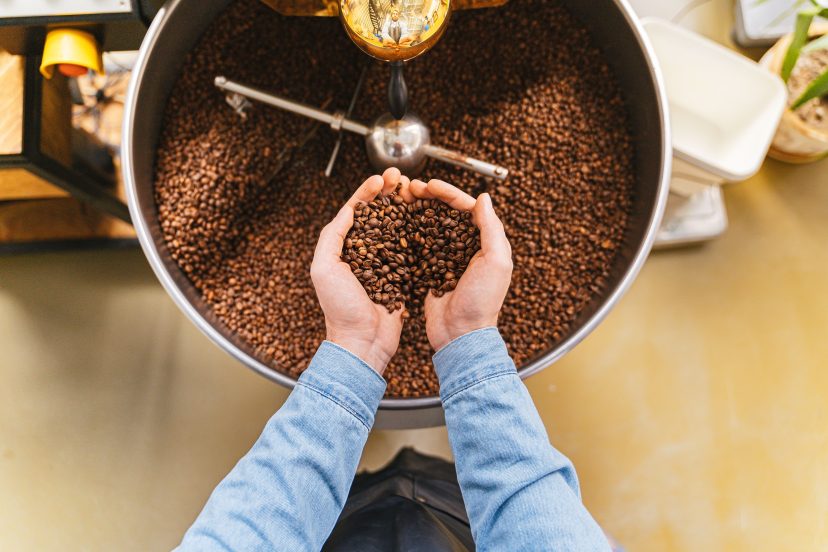
Medium-dark beans have a deep brown color. Some may develop small areas of surface oil, particularly as the coffee ages.
Flavor
Dark chocolate, toasted nuts, baking spices, and bittersweet caramel become more noticeable at this level. Acidity decreases, while the roasted character grows stronger.
You may still detect qualities associated with the coffee’s origin, but they will usually be less distinct than in a light or medium roast. Instead, sweetness, body, and roasted flavors take a more prominent role.
Medium-dark coffee can be a useful compromise. It offers greater depth without always bringing the strong smoke or bitterness found in very dark roasts.
Body and aroma
A medium-dark roast often produces a fuller, heavier mouthfeel. The aroma may suggest dark chocolate, spice, toasted sugar, or roasted nuts.
This level suits drinkers who find light coffee too lively but still want some sweetness and nuance. It can work particularly well in a French press, moka pot, or espresso machine, where its body becomes more noticeable.
Dark Roast Coffee: Bold and Roast-Forward
Dark-roasted beans range from deep brown to almost black. They may look shiny because roasting brings oils from inside the bean to the surface.
Flavor
Dark roast commonly features bittersweet chocolate, molasses, smoke, char, and deeply toasted flavors. It has lower perceived acidity, while bitterness and roast intensity become more noticeable.
A dark roast does not have to taste burnt. Careful roasting can create a bold cup that remains smooth and flavorful. However, as the beans become darker, the differences between growing regions usually become harder to identify.
Brewing dark roast with extremely hot water can emphasize bitterness. If the cup tastes harsh, try using slightly cooler water or a coarser grind.
Body and aroma
Dark coffee often feels rich and full in the mouth. However, beans roasted extremely dark can lose some structure and produce a cup that tastes surprisingly thin.
The aroma usually leans toward cocoa, spice, toast, and smoke. These qualities make dark roast appealing to people who enjoy a familiar, intense coffee taste, especially with milk or cream.
For a closer comparison, read this guide to light roast versus dark roast coffee.
Coffees Products Worth Trying
These five products represent different coffee roast levels, brewing preferences, and tasting goals. Availability and package details can change, so check the roast level and bean format before ordering.
Cooper’s Cask Coffee World Coffee Sampler
This whole-bean sampler includes coffee roasted from light through dark. It gives you a practical way to compare roast intensity while tasting beans from different origins.
For the clearest comparison, prepare each variety with the same grinder, brewer, water, and coffee ratio. Changing only the beans will make the differences easier to recognize.
Onyx Coffee Lab Light Roast Coffee Sampler
This sampler focuses on light-roasted, single-origin coffees. It may appeal to drinkers who want to explore fruity flavors, floral aromas, and the characteristics of individual growing regions.
A pour-over brewer can bring out the clarity of these coffees, although a good drip machine will also work. Grinding immediately before brewing will help preserve their delicate aromas.
illy Classico Medium Roast Whole Bean Coffee
illy Classico is a medium-roasted Arabica coffee with a balanced, approachable profile. Its gentle sweetness and moderate roast character make it suitable for several brewing methods.
You can use it for drip coffee, French press, moka pot, or espresso. It is a practical option for households that prepare coffee in more than one way.
Lavazza Super Crema Medium Espresso Roast
This blend combines Arabica and Robusta beans to produce a creamy, full-bodied espresso. The Robusta adds intensity and helps create a thicker, longer-lasting crema.
It is best suited to espresso machines, although it can also work in a moka pot. Drinkers who prefer bold coffee without moving into very dark roast territory may appreciate its balance.
Peet’s Major Dickason’s Blend Dark Roast
This whole-bean dark roast has a robust profile and a full body. It provides a useful contrast to the brighter acidity and lighter texture found in less-developed beans.
It may suit French press, drip coffee, and other methods that complement deeper roast flavors. If it tastes too bitter, adjust the grind or use slightly cooler brewing water before adding more coffee.
Final Thoughts
There is no single best choice among coffee roast levels. The right one depends on the flavors and textures you enjoy.
Read the tasting notes on the bag, keep your brewing ratio consistent, and adjust the grind before deciding that a coffee is not for you. A small change in extraction can turn a sour or bitter cup into a balanced one.
When possible, compare several small bags using the same brewing method. This makes it easier to discover whether you prefer bright fruit, smooth caramel, rich chocolate, or a deeper smoky character.
FAQs
Which coffee roast level is least bitter?
Light and medium roasts usually have less roast-related bitterness than dark roasts. However, any coffee can taste bitter when it is over-extracted.
If bitterness is a problem, try a coarser grind, shorter brewing time, or slightly cooler water. These changes may help before you switch to another roast.
Which coffee roast tastes the boldest?
Dark-roasted coffee usually has the most intense roasted taste. Common flavors include smoke, bittersweet cocoa, and deeply toasted sugar.
Medium-dark roast can provide similar richness while retaining more sweetness and some of the bean’s original character.
Is light roast more acidic?
Light roast generally has brighter perceived acidity because roasting has preserved more of the bean’s natural acids and fruit qualities. That acidity may taste like citrus, berries, or crisp apple.
When coffee professionals discuss acidity, they mean the bright, lively quality you taste in the cup rather than acidity as a simple pH measurement.
Which roast is best for beginners?
Medium roast is a reliable starting point. It combines moderate acidity, familiar sweetness, and a smooth body without leaning too far toward either bright or smoky flavors.
It also works with most common brewing methods, which makes it easy to prepare at home.
Does light-roasted coffee work well for espresso?
Yes. Light-roast espresso can taste sweet, fruity, and complex when it is extracted properly.
However, it can be more difficult to dial in than a medium or dark roast. You may need a finer grind, a longer extraction, or hotter water to draw out enough sweetness and avoid a sour result.