Protein Coffee: The Perfect Work Out Boost
We may earn a commission for purchases made using our links. Please see our disclosure to learn more.
If you’re a coffee lover and you want a little more for your morning cup, you’ve probably wondered what your other options are when it comes to protein coffee. It combines caffeine and protein in a single convenient drink, which makes it a useful choice for energy, satiety, and post-exercise assistance. But still, it’s not as simple as just throwing protein into coffee and calling it good. The ingredients, timing, and overall balance are important. In this post, you will discover what protein coffee is, how it might fit into your day, and if it actually works as a pre-exercise pick-me-up.
What Is Protein Coffee?
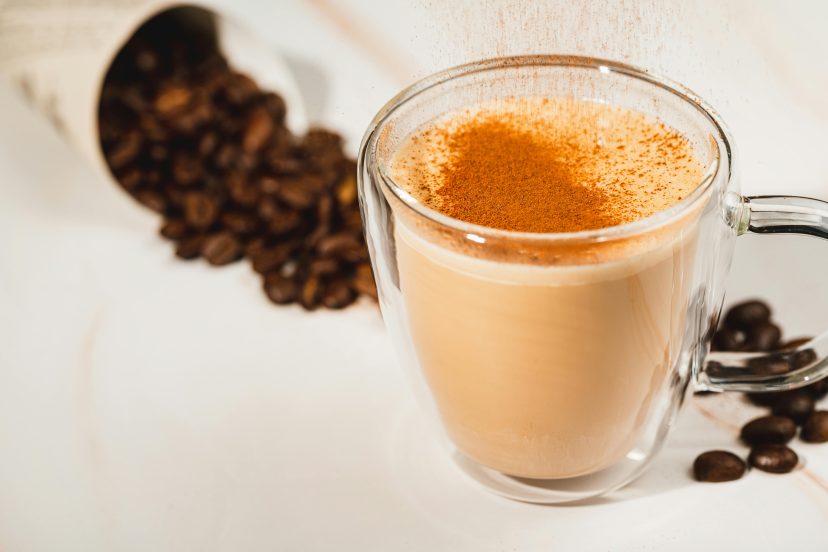
This kind of coffee is exactly what it sounds like: coffee mixed with a protein source. That could be a scoop of whey protein, a ready-to-drink bottled blend, collagen coffee, or even a homemade iced latte with espresso and a protein shake.
Some people drink it because they want a more filling morning coffee. Others use it as a light pre-workout or an easy post-workout option when they do not feel like sitting down to a full meal. Either way, it sits in that sweet spot between convenience and function.
If you enjoy learning how different brews, roasts, and styles change the whole experience, this guide to types of coffee is a great next read.
What Protein Coffee Can Actually Do for You
This coffee works best when you think of it as a practical tool, not a miracle drink.
Here is what it may help with:
1. It can make your coffee more filling
Protein tends to increase satiety more than black coffee alone. So if you are tired of feeling hungry an hour after your morning cup, adding protein can help you stay fuller for longer.
2. It can support recovery
If your overall diet is short on protein, a protein latte can help you close the gap. That matters most if you lift weights, do high-effort training, or simply want a convenient recovery option. A large meta-analysis found that protein supplementation significantly improved gains in strength and fat-free mass during resistance training, with benefits leveling off once total daily intake rose above about 1.6 g/kg/day.
3. It can give you a useful energy lift
Caffeine is well known for helping alertness and exercise performance. A review in the British Journal of Sports Medicine found that caffeine may improve endurance, strength, power, jumping ability, and speed.
4. It can simplify your routine
This part is underrated. Sometimes the biggest benefit is not performance. It is consistency. When something is easy, you are more likely to stick with it.
How Protein and Caffeine Work Together
Protein latte stands out because it combines two things that support different parts of your routine. Protein helps with muscle repair, recovery, and staying fuller longer, while caffeine can boost alertness and exercise performance.
A large meta-analysis on protein supplementation and resistance training found that protein significantly improved gains in muscle strength and lean mass in healthy adults who trained consistently. The same review also suggested that once daily protein intake reached about 1.6 g per kilogram of body weight, extra protein did not appear to add more benefit for fat-free mass gains.
Caffeine has its own benefits. A large review found that coffee may improve endurance, strength, power, and speed. So, what does it mean? That means caffeine may help you feel more switched on and physically ready to train.
Protein and caffeine make a practical pairing: one supports performance and energy, while the other helps support recovery and your daily protein intake.
The Best Time to Drink Protein Coffee
Timing depends on your goal.
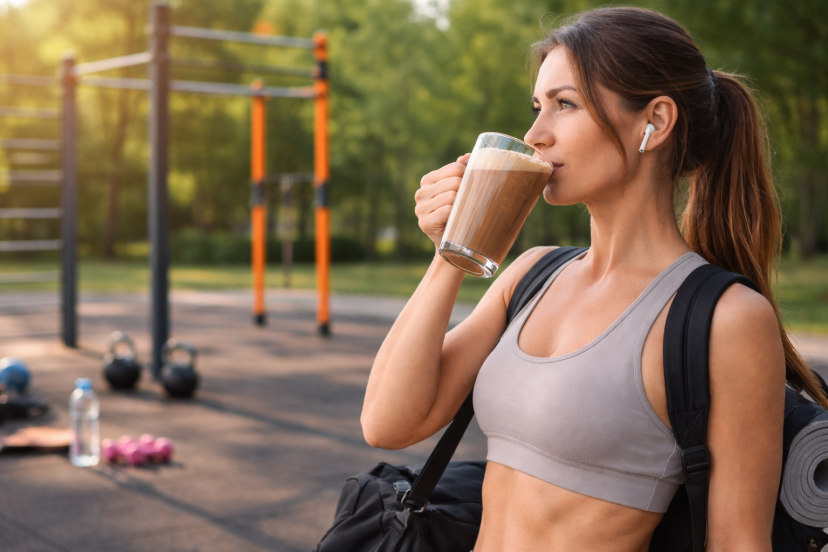
If you want a lighter start to the day, a protein latte works well in the morning as a quick breakfast bridge. If you exercise early, it can also make sense before training, especially if you do not like working out on a full stomach.
For later workouts, it can be a smart post-workout option when you want protein and something refreshing without making a full meal right away.
That said, not everyone tolerates coffee the same way. If caffeine makes you jittery, anxious, or crashes your appetite too hard, proffee may work better after training or earlier in the day.
Pre-Workout vs Post-Workout Protein Coffee
This is where people often get confused, so let’s keep it simple.
Pre-workout protein coffee
This works best when you want energy, focus, and a light amount of fuel. It is especially handy before morning workouts, walks, or training sessions where you want to feel awake but not stuffed.
However, a super creamy, high-fat protein coffee right before exercise can feel heavy. So if you drink it before training, keep it simple.
Post-workout protein coffee
After exercise, protein coffee can be convenient because it gives you protein plus the comfort of a familiar drink. It is not mandatory, and it does not replace a solid meal forever. Still, it can absolutely help when you are rushing out the door or not hungry yet.
Research from the International Society of Sports Nutrition notes that protein after demanding endurance exercise may help reduce markers tied to muscle damage and soreness, even though protein added to adequate carbohydrate does not clearly improve endurance performance itself.
How to Make Protein Coffee Taste Good
Let’s be honest. Bad protein coffee is really bad.
The biggest mistake is dumping protein powder into hot coffee and hoping for the best. That is how you end up with clumps, foam, or a weird chalky layer floating on top.
Here are a few easy fixes:
Use a blender bottle or frother
This helps the powder dissolve better and improves texture.
Start with lukewarm liquid
Mix the protein with a small amount of cool or room-temperature liquid first, then add coffee.
Choose the right protein
Whey isolate usually blends better than some plant proteins. Ready-to-drink shakes can also be easier if texture matters to you.
Add flavor on purpose
A dash of cinnamon, cocoa, vanilla, or a little maple syrup can make a huge difference.
Go iced if hot coffee gets clumpy
Iced proffe is often smoother and more forgiving.
Protein Coffee Products Worth Checking Out
These proffee options work well for different preferences and goals. Still, it’s worth checking the ingredients, sweeteners, and caffeine content before you decide.
1. PRÉS Protein Coffee, Mocha
A ready-to-drink choice with 20g protein, 1g sugar, and 100 calories per bottle. Good for people who want something portable and lower in sugar.
2. SUPER COFFEE Protein+, Caffè Latte
This one offers 25g protein and 0g added sugar in a bottled format. It makes sense if you want a higher-protein grab-and-go option.
3. HIGH Brew Coffee + Protein, Creamy Cappuccino
A canned cold brew option that is easy to stash in the fridge. Nice if you prefer smaller cans and a familiar coffee-shop flavor profile.
4. MariGold High Protein Collagen Coffee
A powdered option for people who like to make their own cup. It uses collagen peptides and espresso, so it may appeal to anyone who wants a latte-style experience at home.
5. SUPER COFFEE Instant Protein Coffee, Mocha
A mixable option with 25g protein and 130 calories, which is handy if you want something more flexible than bottled drinks.

Is Protein Coffee Good for Weight Goals?
It can be, but context matters.
If a protein-infused latte helps you feel fuller, avoid random snacking, and stay consistent with your nutrition, it can support weight-loss goals. If you turn it into a sugary dessert drink with syrups, whipped toppings, and extra calories you did not plan for, it stops being helpful pretty fast.
For weight maintenance or body recomposition, it can also be useful because it is convenient. And honestly, convenience plays a bigger role than most people realize.
Who Should Be Careful With Protein Coffee?
This coffee mix is not for everyone.
You may want to be cautious if:
- caffeine easily makes you anxious
- you are sensitive to dairy or whey
- you exercise late in the day
- you are pregnant, trying to conceive, or breastfeeding
- you are taking medications affected by caffeine
When in doubt, it is smart to check with a healthcare professional, especially if caffeine tends to hit you hard. The FDA also notes that caffeine sensitivity varies widely.
How to Choose the Right Protein for Coffee
The best proffee depends on what you want from it.
Whey isolate usually blends well and gives a smooth texture.
Casein can be thicker and more filling.
Plant protein works if you avoid dairy, but some blends taste earthier.
Collagen mixes easily, though it is not the same as a complete protein source.
If your main goal is muscle support, a complete protein source often makes more sense than collagen alone. If your top priority is convenience and texture, a ready-to-drink bottle might win.
Easy Protein Coffee Ideas to Try at Home
You do not need a fancy routine to make this work.
Simple iced protein coffee
Mix cold brew with a vanilla protein shake and ice.
Mocha protein coffee
Blend coffee, chocolate protein powder, ice, and a splash of milk.
Cinnamon breakfast protein latte
Use espresso, whey isolate, cinnamon, and warm milk.
Banana coffee smoothie
Blend chilled coffee, banana, protein powder, and ice for a thicker option.
The best version is the one you will actually make again.
Final Thoughts
Protein coffee can be a simple way to combine energy and protein in one cup. It may help you feel more satisfied, support your workout routine, and make busy mornings easier. Still, it works best when it fits your goals, your schedule, and the rest of your diet. If you enjoy coffee and want a more functional option, protein latte is worth a try.
FAQs
1. Is protein coffee good before a workout?
Yes, it can be. It works especially well if you want a light source of energy and do not like eating a full meal before training.
2. Can protein coffee replace breakfast?
Sometimes, but not always. If it has enough protein and keeps you satisfied, it can work as a quick breakfast. Still, many people do better when they pair it with fruit, oats, or something more substantial.
3. Which protein powder works best in coffee?
Whey isolate usually blends the smoothest. Ready-to-drink protein shakes also work well for iced coffee.
4. Does protein coffee help build muscle?
It can support muscle goals by helping you meet your protein needs, especially when paired with resistance training and an overall solid diet.
5. Is it okay to have protein coffee daily?
For many adults, yes, as long as your total caffeine intake stays in a reasonable range and the product agrees with your stomach. The FDA says up to 400 mg of caffeine per day is not generally associated with negative effects for most adults.