Coffee Brewing Methods Explained: Which One Is Best?
We may earn a commission for purchases made using our links. Please see our disclosure to learn more.
The beans you use are only part of the flavor equation. The way you prepare them can bring out entirely different tastes and textures. One method can produce a clean, bright cup, while another brings out heavier body, deeper sweetness, or a stronger punch. That is why choosing among different coffee brewing methods is about more than buying the most popular brewer. Your preferred method should match the kind of coffee you enjoy, how much time you have, and how much control you want over the brewing process. Pour-over, French press, drip coffee, espresso, AeroPress, moka pot, and cold brew all work differently. No single brewing technique works perfectly for every coffee drinker. Wondering which option fits you best? Let’s compare them.
What Makes Coffee Brewing Methods Different?
Every brewing method controls a few basic things: how water meets the grounds, how long the coffee extracts, how quickly water moves through the grounds, and how much of the coffee oils and fine particles reach your cup.
Grind size plays a major role. Fine grounds expose more surface area to water and generally extract faster. Coarser grounds slow the process down and work well for longer immersion methods.
Water temperature matters, too. However, research from the UC Davis Coffee Center found that when drip coffee had the same final strength and extraction, tasters could not reliably distinguish brews made at different temperatures within the tested range. In other words, temperature matters because it affects extraction, but the final extraction and strength matter greatly to the taste. Research on brew temperature and coffee’s sensory profile provides a useful look at the findings.
Filtration creates another major difference. Paper filters remove much of the coffee sediment and some oils, creating a cleaner cup. Metal filters allow more oils and tiny particles through, which can make coffee feel heavier.
The Most Popular Coffee Brewing Methods
Pour-Over
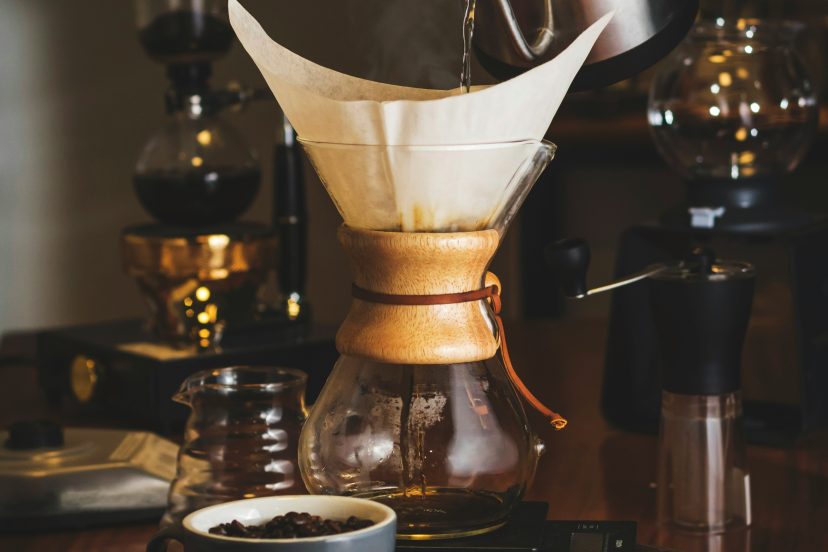
Pour-over brewing gives you plenty of control. You slowly pour hot water over coffee grounds held in a paper filter, allowing the brewed coffee to drip into a cup or carafe.
This method tends to produce a clean and clear cup. It works especially well when you want to notice delicate floral, fruity, citrus, or tea-like notes.
The trade-off is that you need to pay more attention to your pouring technique, grind size, and brewing time.
Best for: Coffee drinkers who enjoy clarity and hands-on brewing.
French Press
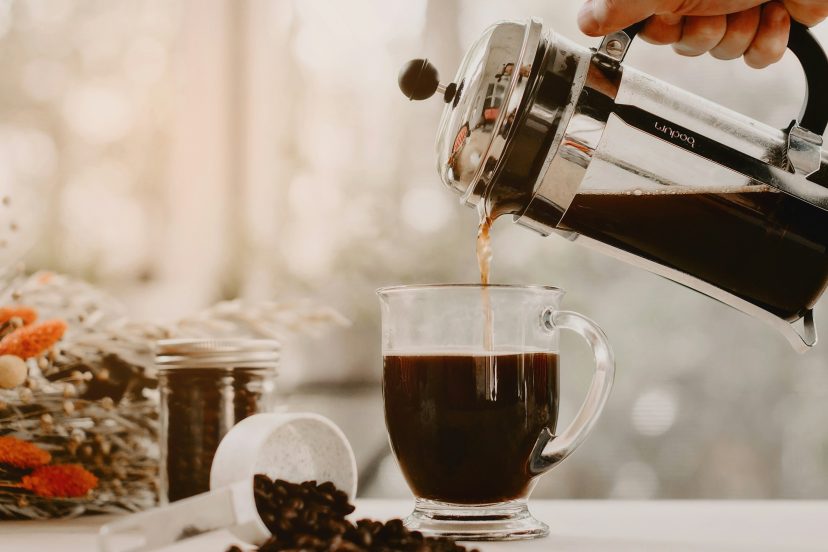
A French press lets the coffee grounds sit in hot water before you separate them from the finished brew. You combine coarse coffee grounds with hot water, let them steep, and then press a metal mesh plunger through the mixture.
Because the metal filter allows more oils and fine particles into the cup, French press coffee usually has a fuller body than paper-filtered coffee.
It is also relatively forgiving. You do not need to master a precise pouring technique to get a satisfying cup.
Best for: People who prefer rich, full-bodied coffee with a simple brewing process.
Automatic Drip Coffee
Automatic drip machines remain one of the easiest ways to make several cups at once. The machine heats the water and distributes it over the grounds before the coffee passes through a filter.
A good drip brewer can produce balanced coffee with very little effort. It also makes sense for households where several people want coffee in the morning.
If you care about flavor consistency, pair your machine with freshly ground beans and a reliable burr grinder. A quality coffee grinder for fresher, more consistent grounds can make a noticeable difference.
Best for: Convenience, multiple cups, and everyday brewing.
Espresso
Espresso uses finely ground coffee and pressure to produce a small, concentrated beverage. It has a thicker texture and intense flavor compared with most filter methods.
Espresso is also the starting point for popular drinks like lattes, cappuccinos, and Americanos.
The downside is the learning curve. Grind size, dose, tamping, water temperature, and extraction time all influence the result.
Best for: Strong coffee, espresso-based drinks, and people who enjoy dialing in their brew.
AeroPress
With an AeroPress, you let the coffee steep briefly and then push it through the filter using the plunger. You steep coffee and water together, then push the brewed coffee through a filter using the plunger.
It is compact, quick, and easy to take while traveling. You can also change the recipe considerably, making it a fun option for people who like experimenting.
Depending on the recipe and filter you use, the finished coffee can range from clean and light to rich and concentrated.
Best for: Travelers, small kitchens, and coffee drinkers who like experimenting.
Moka Pot
The moka pot sits on a stovetop and uses pressure from heated water to push water through finely ground coffee.
It produces a concentrated, bold drink that works especially well with milk. While it is not technically espresso, the resulting coffee has a similar intensity that makes it useful for homemade lattes and other milk-based drinks.
Best for: Bold coffee without buying an espresso machine.
Cold Brew
Cold brew uses a slower process, steeping coffee grounds in cool water rather than relying on heat. Instead of using hot water, you steep coarse coffee grounds in cold or room-temperature water for many hours.
The result is usually smooth, mellow, and less sharp-tasting than a typical hot brew. You can serve it over ice and dilute it with water or milk.
Because cold brew takes hours rather than minutes, it requires planning. However, you can prepare a batch ahead of time and keep it ready in the refrigerator.
Best for: Iced coffee lovers and people who prefer smooth, mellow flavors.
Coffee Brewing Methods Compared
| Method | Flavor | Body | Convenience | Best For |
| Pour-over | Clean, bright | Light-medium | Moderate | Flavor clarity |
| French press | Rich, robust | Full | Easy | Full-bodied coffee |
| Drip | Balanced | Medium | Very easy | Everyday coffee |
| Espresso | Intense, concentrated | Full | Moderate | Espresso drinks |
| AeroPress | Clean to rich | Medium | Easy | Versatility |
| Moka pot | Bold, strong | Full | Moderate | Milk-based drinks |
| Cold brew | Smooth, mellow | Medium-full | Requires planning | Iced coffee |
How to Choose the Best Brewing Method for You
Start with the kind of coffee you enjoy most.
- Clean and bright: Try pour-over for a lighter, more flavorful cup.
- Rich and full-bodied: French press gives you a heavier texture and bold taste.
- Quick and easy: Automatic drip coffee is convenient for everyday brewing.
- Love lattes? Choose an espresso machine, or try a moka pot for a simpler option.
- Need something portable? AeroPress is compact and easy to take anywhere.
- Prefer iced coffee? Cold brew makes a smooth, refreshing drink you can prepare ahead.
Your coffee beans matter, too. Roast level can change how your coffee tastes with different brewing methods. Check out this guide to coffee roast levels and their flavor differences to find a better match.
What Research Says About Coffee Brewing Methods
Brewing isn’t just about taste. Different methods can change the chemical makeup of the final drink.
A study comparing eight extraction techniques—including espresso, moka, French press, cold brew, V60, and AeroPress—found significant differences in caffeine, chlorogenic acids, and other physical and chemical characteristics between brewing methods. The researchers also found that the amount consumed per cup can change the overall intake of these compounds. This study comparing eight coffee extraction methods offers a useful scientific comparison.
Filtration matters as well. Research on coffee diterpenes such as cafestol and kahweol has found that brewing method can strongly affect how much of these compounds ends up in the beverage. Paper-filtered coffee generally contains much lower amounts than some unfiltered brewing methods. Research on cafestol and kahweol in different coffee brews explains this difference.
These findings do not make one brewing method universally healthy or unhealthy. They simply show that the brewing process changes what ends up in your cup.
Recommended Products
If you want to experiment with different coffee brewing methods, these five tools cover several popular approaches.
1. Hario V60 Dripper
A V60 is a strong choice for anyone who wants to learn pour-over brewing. Its simple design gives you control over pouring, timing, and extraction.
2. Chemex Classic
The Chemex combines pour-over brewing with a distinctive glass carafe. Its paper filtration produces a clean cup and makes it a good choice for serving several people.
3. AeroPress Original Coffee Maker
The AeroPress is compact and versatile. It works well for people who want a simple brewer that can handle different recipes and travel easily.
4. French Press
A French press is one of the simplest ways to make full-bodied coffee. It requires little equipment and works well when you want a richer cup.
5. Bialetti Moka Express
The Moka Express is a classic stovetop option for concentrated, bold coffee. It is particularly useful if you enjoy coffee with steamed or frothed milk.
Conclusion
There is no single winner among coffee brewing methods. Your ideal method comes down to your taste preferences and what you want from your everyday coffee. Choose pour-over for clarity, French press for body, drip coffee for convenience, espresso for intensity, AeroPress for versatility, moka pot for bold stovetop coffee, or cold brew for a smooth iced drink. If you are unsure where to start, choose the method that fits your normal routine. Then change one variable at a time, such as grind size, coffee-to-water ratio, or brewing time. You will learn much more about your coffee this way than by simply buying a more expensive brewer.
FAQs
What is the best coffee brewing method?
There is no universal best method. Pour-over suits people who enjoy clean and detailed flavors, while French press works better for those who prefer fuller body. Drip coffee is ideal for convenience, and espresso is best for concentrated coffee and milk-based drinks.
Which coffee brewing method gives you the strongest cup?
Espresso delivers one of the most concentrated forms of brewed coffee, packing intense flavor into a small serving. However, the amount of caffeine you consume depends on serving size and brewing method, so “strongest” can mean either flavor intensity or caffeine content.
Is French press better than pour-over?
Neither is automatically better. French press produces a heavier, oilier cup, while pour-over generally creates a cleaner and brighter drink. Your preference should decide between them.
What coffee brewing method is easiest for beginners?
Automatic drip coffee is probably the easiest because the machine controls most of the process. French press is another beginner-friendly choice because it requires fewer precise techniques.
Which coffee brewing method is best for iced coffee?
Cold brew is a popular choice because it produces a smooth, concentrated coffee that works well over ice. You can also use pour-over or espresso when you want a brighter or more intense iced drink.